Ditch the $80 Serum: How to Make Herbal Skincare That Actually Delivers Results
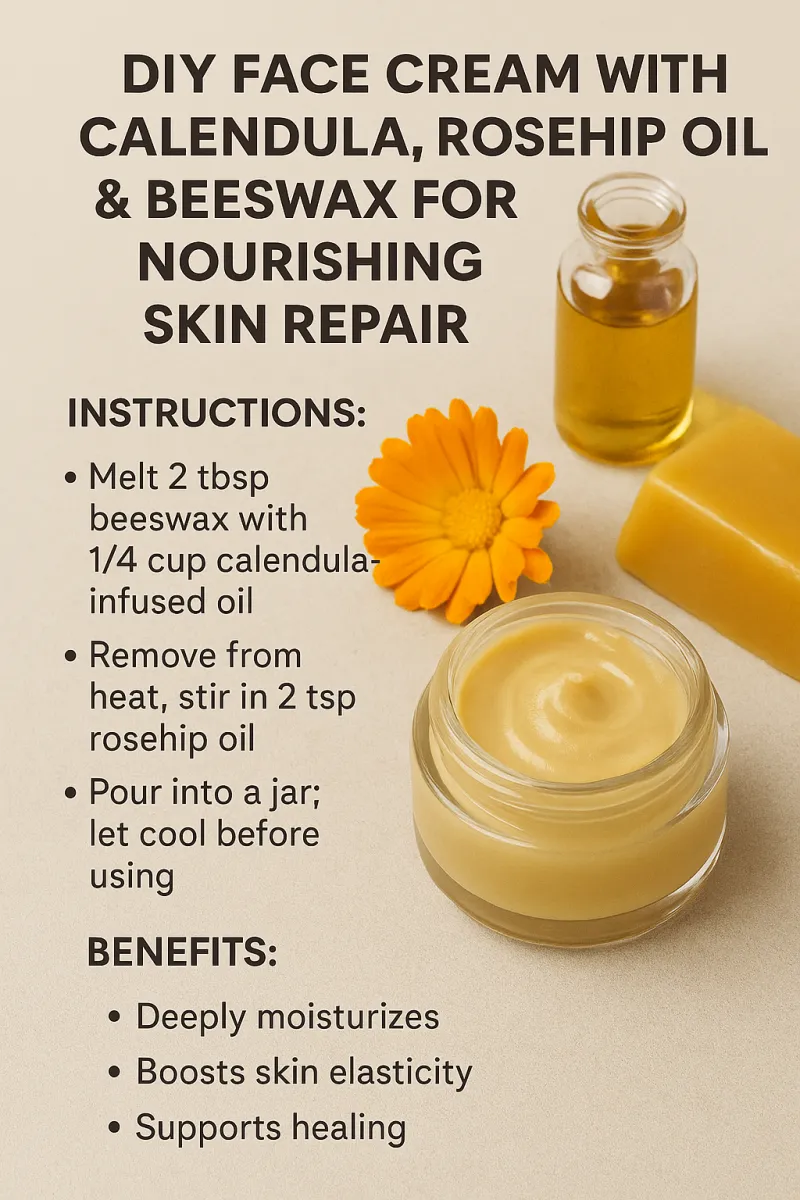
Photo: DIY herbal skincare calendula oil natural beauty ingredients home apothecary, via i.pinimg.com
Walk down any beauty aisle in America right now and you'll see the word "botanical" plastered on roughly half the products. Rose hip. Calendula. Green tea. Bakuchiol. The marketing is gorgeous, the packaging is sustainable-looking, and the prices are... a lot. But here's something worth knowing before you drop $65 on a "chamomile-infused" moisturizer: in many commercial products, the herb in question appears so far down the ingredient list that it's essentially decorative.
That's not a conspiracy theory — it's just how cosmetic formulation works. Preservatives, emulsifiers, and filler ingredients take up the bulk of most products, with botanical extracts added at concentrations that may be too low to do much of anything.
The alternative? Make it yourself. And before you imagine a chaotic mess of herbs and oils all over your kitchen counter, hear us out — effective herbal skincare doesn't require a chemistry degree or a professional lab setup. It requires good ingredients, a little patience, and an understanding of why certain plants work for certain skin concerns.
What Herbalists and Dermatologists Actually Agree On
The relationship between herbalism and dermatology isn't as adversarial as you might think. A growing number of dermatologists are acknowledging what herbalists have long known: certain plant compounds have measurable, meaningful effects on skin. Polyphenols reduce oxidative stress. Tannins tighten and tone. Mucilaginous compounds hydrate and soothe. Antimicrobial plant chemicals help manage acne-causing bacteria without the harshness of synthetic alternatives.
Where they converge most clearly is on a handful of well-studied botanicals — the ones where traditional use and clinical evidence actually align. Those are the herbs we're focusing on here.
Your Herbal Skincare Toolkit: The Plants Worth Using
Calendula — The Skin Repair Workhorse
If there's one herb that both herbalists and dermatologists tend to agree on, it's calendula (Calendula officinalis). Its anti-inflammatory and wound-healing properties are well-documented. Research has shown that calendula extract can accelerate skin repair, reduce inflammation, and support collagen synthesis. It's gentle enough for sensitive skin and even infant skin — which is why it shows up in so many baby care products.
Best for: Dry skin, eczema-prone skin, sensitive skin, minor wounds and irritation.
DIY application — Calendula-Infused Oil: Fill a clean jar with dried calendula petals (not fresh — moisture causes mold). Cover completely with a carrier oil. Olive oil is traditional and deeply nourishing; jojoba oil more closely mimics skin's natural sebum and is great for facial use. Seal the jar and let it sit in a warm, sunny windowsill for 4–6 weeks, shaking daily. Strain through cheesecloth and store in a dark bottle. This infused oil is the base for almost everything else on this list.
Rosehip — Nature's Retinol Alternative
Rosehip seed oil (Rosa canina) has earned genuine dermatological respect, and for good reason. It's naturally high in trans-retinoic acid — a form of vitamin A — along with essential fatty acids that support the skin barrier. Studies have shown it can reduce hyperpigmentation, improve skin texture, and support collagen production over time. It's not a miracle worker, but it's a legitimate one.
Best for: Aging concerns, hyperpigmentation, dull or uneven skin tone, post-acne scarring.
DIY application: Rosehip seed oil is best used as-is — it doesn't require infusion because the beneficial compounds are already in the pressed oil. Apply 3–5 drops to damp skin at night. It absorbs well and doesn't leave a heavy residue. Pair it with a few drops of sea buckthorn oil (diluted — it's intensely orange and stains) for an extra antioxidant boost.
Plantain Leaf — The Overlooked Anti-Inflammatory
Not the banana — the broad-leaf weed (Plantago major) that grows in sidewalk cracks across most of the US. Plantain is loaded with aucubin and allantoin, compounds that soothe irritated skin, reduce redness, and support cell regeneration. Allantoin, in particular, is so well-regarded that it's used as a synthetic ingredient in many commercial soothing creams. Getting it straight from the plant is both more economical and more elegant.
Best for: Bug bites, minor rashes, reactive or redness-prone skin, oily skin with inflammation.
DIY application — Plantain Salve: Make a plantain-infused oil using the same method as the calendula oil above. Then, to make a salve, gently melt 1 oz of beeswax (or candelilla wax for a vegan option) into 1 cup of your infused oil over low heat. Pour into small tins or jars and let cool completely before capping. This keeps for up to a year. Apply to irritated or inflamed areas as needed.
Green Tea — The Antioxidant Powerhouse
Green tea (Camellia sinensis) is one of the most researched botanicals in dermatology. Its primary active compounds — catechins, particularly EGCG — have demonstrated significant antioxidant, anti-inflammatory, and even photoprotective properties. Topical application has been shown in studies to reduce sebum production and improve acne, making it particularly useful for oily and combination skin types.
Best for: Oily and acne-prone skin, environmental damage, general antioxidant protection.
DIY application — Green Tea Toner: Brew a strong cup of green tea (two bags or two tablespoons of loose leaf, steeped for 10 minutes). Let it cool completely. Add a teaspoon of raw apple cider vinegar to balance pH, and optionally a few drops of tea tree essential oil if you're targeting acne. Store in a spray bottle in the refrigerator and use within a week. Spritz on a clean face or apply with a cotton round after cleansing.
Lavender — More Than Just Relaxation
Lavender (Lavandula angustifolia) has a reputation that's sometimes dismissed as overly soft, but topically it's a legitimate performer. Research supports its antimicrobial and anti-inflammatory properties. It's also one of the few essential oils generally considered safe for limited direct skin application (still dilute it, though — "generally safe" doesn't mean undiluted on broken skin).
Best for: Acne, minor burns and sun exposure, normal to combination skin, stress-related skin flares.
DIY application: Add 6–8 drops of lavender essential oil per ounce of carrier oil or unscented lotion base. Or add it to your calendula-infused oil for a multi-herb formulation that addresses both inflammation and bacteria.
A Few Ground Rules Before You Start Mixing
Patch test everything. Even natural ingredients can cause reactions in some people. Apply a small amount to your inner wrist or behind your ear and wait 24 hours before using on your face.
Preservation matters. Anything containing water — toners, gels, aloe-based products — needs to be used quickly or properly preserved. Water-free products like oils and salves are shelf-stable much longer. When in doubt, keep it in the fridge and make small batches.
Sourcing is everything. The quality of your herbal ingredients directly impacts the quality of your finished product. Look for organic, dried herbs from reputable suppliers — Mountain Rose Herbs and Starwest Botanicals are both solid options widely used in the US herbal community.
Simpler is often better. Resist the urge to combine every herb you own into one formulation. Single-herb or two-herb products are easier to troubleshoot and often more effective.
The Real Luxury Is Knowing What's In It
There's something genuinely satisfying about applying a product to your skin and knowing exactly what's in it — not just the marketing copy, but the actual ingredients, their concentrations, and their sourcing. That transparency is something no $80 serum can fully offer, no matter how beautiful the bottle.
Herbal skincare isn't about rejecting modern dermatology. It's about bringing the same critical thinking to your bathroom shelf that you'd bring to your grocery cart. When you make your own formulations, you're drawing on thousands of years of plant wisdom and the best of what contemporary skin science has confirmed. That's a pretty powerful combination — and it costs a fraction of what the beauty industry is charging for a watered-down version of the same thing.