That Elderberry Syrup Is a Science Experiment Now: A Shelf-Life Reality Check for Your Herbal Stash
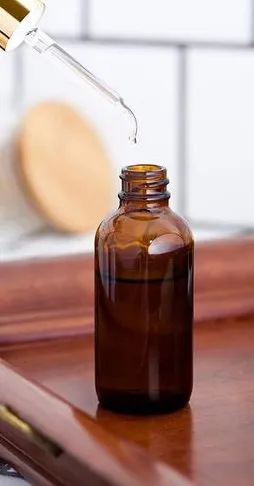
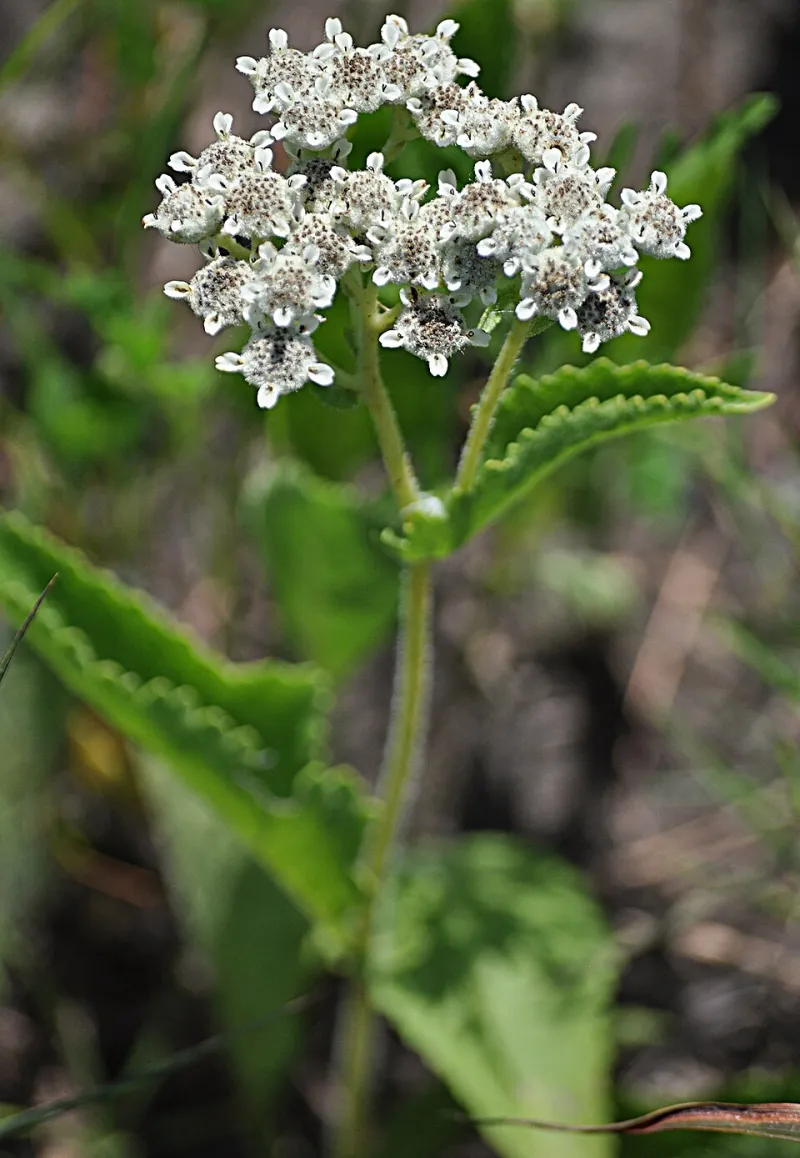
Photo: Ohiamjk, CC BY-SA 4.0, via Wikimedia Commons
Let's play a game. Open your medicine cabinet right now. Somewhere in there, I guarantee, is a bottle of elderberry syrup from 2021, a salve with a label so faded you're not sure if it's calendula or 'something for the dog,' and a bag of dried chamomile that predates your current phone.
Are they still good?
The honest answer: probably not all of them, and the ones that are 'good' may be shadows of their former selves. Herbal products are foods and plant chemistry, not immortal tinctures of youth. They degrade. And unlike a carton of milk, they rarely announce their decline loudly.
Why Herbal Products Die Quietly
Three forces are working against your apothecary at all times:
Heat. Every 10°C (18°F) rise roughly doubles the rate of chemical degradation reactions. That bathroom cabinet above the shower? It's a tropical climate chamber. Store volatile constituents there and you're essentially slow-cooking your remedies.
Light. UV radiation breaks down many plant compounds — the reason commercial tinctures come in amber bottles isn't aesthetic. A jar of dried herbs on a sunny windowsill can lose noticeable potency within months.
Oxygen and humidity. Oxidation turns beneficial compounds rancid or inert, while moisture invites mold and bacterial growth. Dried herbs should snap, not bend; if they're pliable, they've reabsorbed ambient humidity — and humidity is a mold invitation.
The Shelf-Life Cheat Sheet
Rough guidelines for properly stored products (cool, dark, sealed):
| Product | Typical Usable Life |
|---|---|
| Dried leafy herbs & flowers (chamomile, nettle, mint) | 6–12 months |
| Dried roots & barks (dandelion, ginger, cinnamon) | 1–2 years |
| Alcohol-based tinctures | 3–5+ years |
| Glycerites (glycerin-based) | 1–2 years |
| Herbal salves & infused oils | 6–12 months (faster with fresh-plant oils) |
| Elderberry syrup (refrigerated, homemade) | 2–3 months |
| Commercial syrups (opened, refrigerated) | Per label — usually weeks to months |
| Capsules & tablets | 1–2 years, per date |
| Herbal teas in bags | 6–12 months |
Notice the pattern: anything with water in it lives fast. Anything with alcohol or beeswax lives longer. Anything dried lives in between.
The Sensory Tests: Your Nose Knows
Manufactured expiration dates are conservative guesses; your senses are the better instrument. Before using any old herbal product, run this gauntlet:
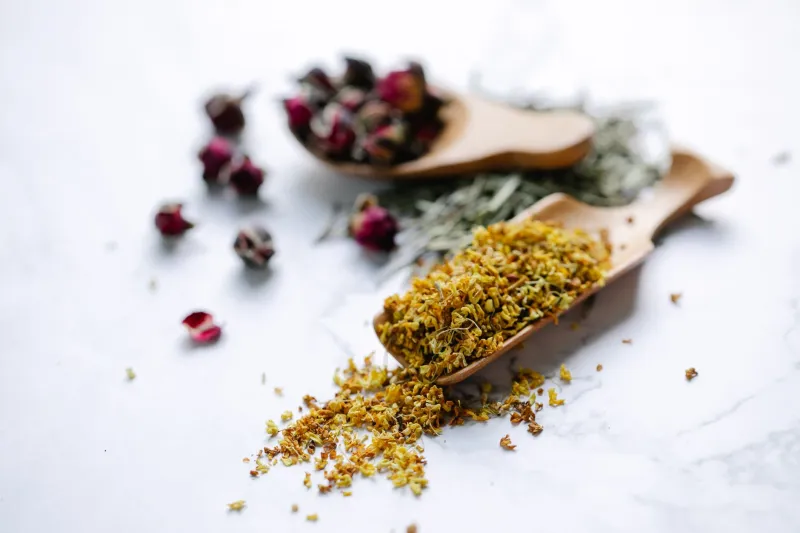
Look. Dried herbs should retain recognizable color — chamomile should be golden, nettle should be deep green, not brown or gray. Faded color usually means faded potency. Any fuzz, discoloration spots, or (in syrups) cloudiness and bubbling means mold or fermentation. Toss it. In salves, watch for 'oil bloom' — beadlets of separated oil — which is usually just temperature fluctuation and fine if it reabsorbs, but rancid smell or gritty mold is not.
Smell. This is the big one. Crush a pinch of dried herb: if you get a whisper of aroma where there used to be a shout, the volatile oils are gone — it's herb-flavored hay now. Any musty, stale, crayon-like, or 'old nuts' smell means rancidity or spoilage. Tinctures should still smell sharply of alcohol and herb; if a tincture smells vinegary or 'off,' it's compromised.
Taste (with caution). For dried herbs and finished teas only — a small sip should deliver clear, characteristic flavor. Bland means spent. Never taste anything with visible mold, any product for children that's past its date, or anything homemade with honey or water that you even slightly doubt.
Consistency check for syrups. Elderberry syrup should pour smoothly. Thickening, fizzing, separation that doesn't stir back, or a fizzy-off smell? That's fermentation. Into the compost.
Storage Habits That Actually Extend Life
- Glass over plastic. Amber or cobalt glass jars block light and don't leach.
- Cool and dark beats convenient. A kitchen cupboard away from the stove and dishwasher beats the counter. The bathroom is the worst room in the house.
- Label everything with the date made or opened. Future you is forgetful.
- Use dry spoons only in syrups and honeys — one crumb of moisture can seed a whole jar with microbes.
- Refrigerate anything water-based after opening, no exceptions.
- Buy smaller quantities more often. A fresh half-ounce of chamomile beats a discounted pound that dies in your cupboard.
The Bottom Line
Herbal remedies work because they contain actual chemistry — and chemistry has a clock. Rotating your stock, storing with intention, and trusting your senses over a faded label will keep your apothecary both effective and safe.
And that 2021 elderberry syrup? You already know. Compost it, pour out the honey-and-berries into the garden, and put 'make a fresh batch' on your fall list. Your future immune system will send its regards.
This article is for educational purposes and isn't a substitute for professional medical advice. When in doubt about a spoiled product — especially anything ingested — throw it out.