The Medicine Growing at Exit 12: What America's Most Hated 'Weeds' Can Actually Do for You
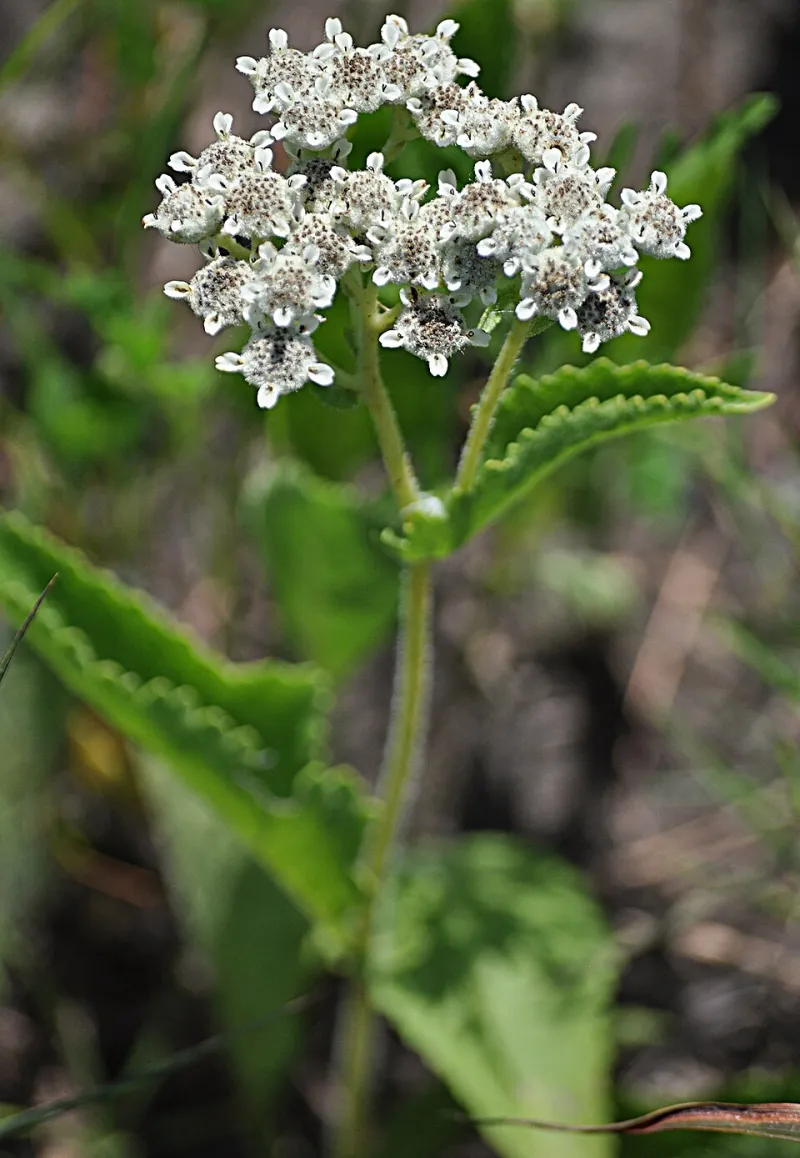
Photo: Art davis, CC BY-SA 4.0, via Wikimedia Commons
There's a stretch of highway outside Asheville, North Carolina, where the shoulder blooms every June with something that looks like a fuzzy green candle. Most drivers don't give it a second glance. Some states spend money spraying it. But that plant — mullein — has been one of the most trusted lung remedies in Western herbalism for over two thousand years.
And it's just the beginning.
Once you start learning your local 'weeds,' the American landscape changes. The vacant lot becomes a pharmacy. The hiking trail becomes a harvest walk. The ditch by the interstate becomes, well, something you'll never look at the same way again.
Meet the Usual Suspects
Mullein (Verbascum thapsus) is hard to miss: a tall, silvery stalk that can hit six feet, topped with yellow flowers, wrapped in soft, felt-like leaves. Traditionally, those leaves have been brewed into tea or smoked (yes, really) for stubborn coughs and chest congestion. Modern herbalists still reach for it as a gentle respiratory soother, and the flowers steeped in oil are a classic for ear discomfort.
Yarrow (Achillea millefolium) looks like a flat-topped cluster of tiny white or pinkish flowers with feathery, fern-like leaves. Its Latin name nods to Achilles, who allegedly used it on his soldiers' wounds. It's astringent, styptic, and one of the classic first-aid herbs — crushed fresh leaves applied to a minor cut can help slow bleeding. It also makes a lovely, slightly bitter tea that traditional practitioners used for fevers and colds.
Plantain (Plantago major and Plantago lanceolata) might be the single most common plant in America. It's in every cracked sidewalk, every ball field, every untended lawn. Those broad, ribbed leaves are the go-to folk remedy for bug bites, bee stings, and nettle stings. Chew a leaf, slap it on the sting, and feel the drawing action start to work. It sounds like folklore until it happens to you.
Red clover, chicory, dandelion, burdock — the list goes on. Nearly every 'invasive' plant Americans spend millions eradicating has a long history of medicinal use somewhere in the world.
Before You Harvest: The Non-Negotiables
Here's where the romance meets reality. Not every roadside is fair game, and a careless harvest can do more harm than good.
Location is everything. Plants absorb what's around them, which means herbicide-sprayed medians, runoff-heavy ditches, and industrial edges are off the table. Aim for spots at least 50 feet from busy roads — heavy metals from exhaust can accumulate in roadside soil. Think hiking trails, unmowed meadows, the back edge of a farmer's field (with permission), your own backyard.
Never harvest sprayed areas. If you see brown, dying vegetation in a neat line along a road or powerline cut, that's herbicide. Walk away.
Identification is not optional. Use multiple field guides or apps, cross-reference, and when in doubt, don't. Yarrow has a few lookalikes, and while mullein is famously easy to ID, 'famously easy' has burned overconfident foragers before. Local university extension offices and native plant societies often run free walks — take one.
Harvest responsibly. Take no more than a third of what you find, never take the last plant in a patch, and skip anything that looks diseased or dusty.
Know your body. Even weeds are medicine. Yarrow is in the aster family — a caution for people with ragweed allergies. Pregnant folks should skip yarrow entirely. 'Natural' doesn't mean 'inert.'
From Ditch to Jar: What to Do With Your Haul
Once you've harvested and triple-checked your ID, processing is simple:
- Dry your herbs in small bundles hung upside down in a dark, airy spot — a spare room, a covered porch, the back of a closet. Crisp-dry in about a week or two, then store in glass jars away from light.
- Mullein tea: Steep dried leaves in hot water for 10–15 minutes, and always strain through a fine cloth. Those fuzzy little hairs are irritating to the throat if they slip through.
- Yarrow salve: Infuse dried yarrow in olive oil for a few weeks, then melt in beeswax. Keep it in your hiking pack.
- Plantain poultice: Fresh, straight from the ground. Chew or crush, apply, reapply. This is folk medicine at its most immediate.
A Different Kind of Local
We spend a lot of energy sourcing supplements from across the globe — ashwagandha from India, ginseng from Korea, sea moss from the Caribbean. There's nothing wrong with that tradition. But there's something quietly radical about medicine that grows within walking distance of your front door.
Foragers call it the 'weedy apothecary,' and our great-grandparents called it Tuesday. The knowledge that mullein soothes a cough, that yarrow knits a wound, that plantain calms a sting — this was common household wisdom for most of human history, and it's only a few generations gone.
The good news: the plants are still there. They're tougher than we are. They're growing in every state in the country, right now, waiting by the exit ramp.
Learn their names. Slow down next time you pass them. And maybe — just maybe — let a few of them live in your 'lawn.'
As always, this article is educational, not medical advice. Consult a qualified practitioner before using any herb, especially if you're pregnant, nursing, or taking medications.