Beyond the Mug: How to Build a Home Apothecary That Actually Gets Used
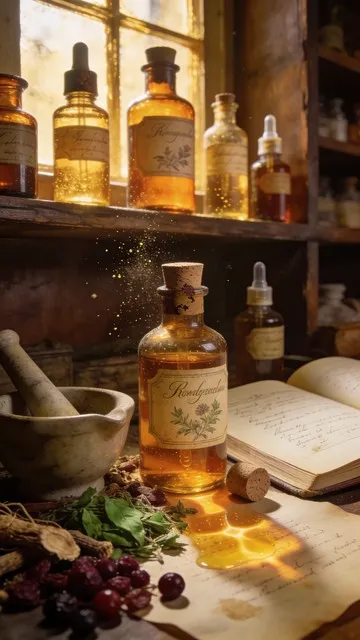
Photo: home apothecary amber glass bottles tinctures herbs wooden shelf, via images.stockcake.com
Most people's herbal journey starts the same way: a box of chamomile tea on the nightstand, maybe some peppermint for an upset stomach. And honestly? That's a great start. But if you've ever wished you had something a little stronger, a little more targeted, or something that didn't require boiling water at 11pm when your back is aching—it might be time to think bigger.
Building a home apothecary doesn't mean turning your kitchen into a laboratory. It means having a curated collection of herbal preparations that work with your lifestyle, not against it. We're talking tinctures tucked into a cabinet, a tin of salve on the bathroom shelf, a bottle of elderberry syrup in the fridge. Simple, intentional, and genuinely useful.
Start With the Right Mindset (and the Right Jars)
Before you start filling shelves, it helps to think about what you actually need. Are you someone who gets hit hard every cold and flu season? Do you deal with skin flare-ups, tension headaches, or trouble winding down at night? Your apothecary should reflect your real health patterns, not just a wishlist of trendy herbs.
Once you know your focus areas, gather your supplies. You'll need:
- Dark glass bottles (amber or cobalt) for tinctures and oils — light degrades potency fast
- Wide-mouth mason jars for infusing and storing dried herbs
- Small tins or glass jars for salves
- Labels and a permanent marker — seriously, label everything with the herb, preparation type, and date
- A cool, dry storage spot away from heat and direct sunlight
A dedicated shelf or small cabinet works great. Think of it as your personal wellness corner, not a medicine cabinet replacement.
Tinctures: The Workhorse of the Home Apothecary
If you only make one type of herbal preparation beyond tea, make it a tincture. Tinctures are concentrated herbal extracts made by soaking plant material in alcohol (usually 80-proof vodka works perfectly for home use), which pulls out a wide spectrum of active compounds and preserves them for the long haul. A well-made tincture can stay potent for three to five years — a serious advantage over dried herbs, which typically lose their punch after one to two years.
The basic folk method is straightforward: fill a jar loosely with dried herb (or pack it with fresh herb), cover completely with alcohol, seal tightly, and let it sit for four to six weeks in a dark spot, shaking it daily when you remember. Strain it out, press the plant material well, and bottle it in dark dropper bottles.
Best herbs for tincturing: Echinacea (immune support), valerian (sleep and relaxation), ashwagandha (stress resilience), and skullcap (nervous system calm) all shine in tincture form because their key constituents extract beautifully into alcohol.
Dosing is typically 20–40 drops in a little water, one to three times daily — though it's always worth cross-referencing with a reliable herbal reference or your healthcare provider, especially if you're on medications.
Infused Oils: Slow Medicine for Skin and Muscle
Herbal-infused oils are one of the most satisfying things you can make at home, and they form the base for salves, balms, and body care products. The process is slow — intentionally so. You're essentially coaxing the plant's fat-soluble compounds (think anti-inflammatory constituents, skin-soothing resins) into a carrier oil over time.
The cold infusion method is the gentlest: pack a jar with dried herb, cover with a good carrier oil (olive oil is traditional and shelf-stable; jojoba works beautifully for skin applications), seal it, and let it sit in a sunny windowsill for four to six weeks. The warm method speeds things up — set your jar in a slow cooker on the lowest setting for 4–8 hours.
Key tip: Always use dried herbs, not fresh. Moisture from fresh plant material introduces water into the oil, which causes spoilage. If you want to use fresh herbs, wilt them for 24 hours first to drive off surface moisture.
Best herbs for oil infusions: Calendula is the gold standard for skin — it's soothing, gentle, and brilliant for dry or irritated skin. Arnica (for external use only) is a classic for muscle soreness. St. John's Wort makes a gorgeous nerve-soothing oil that turns a deep ruby red.
Once infused, these oils last about a year stored in a cool, dark spot. Add a capsule of vitamin E oil to extend shelf life.
Salves: From Oil to Solid in Twenty Minutes
Once you have an infused oil, making a salve is almost embarrassingly easy. Melt beeswax (about 1 ounce of beeswax per cup of infused oil) into your strained oil over low heat, pour into tins or small jars, and let it cool. That's genuinely it.
Salves are shelf-stable for one to two years and are perfect for lip balms, muscle rubs, wound-healing preparations, and dry skin relief. The beeswax creates a protective barrier on skin while the infused oil delivers its herbal benefits slowly over time.
If you want a vegan version, carnauba wax or candelilla wax can substitute for beeswax — just use slightly less since they set firmer.
Herbal Syrups: The Preparation Everyone Actually Enjoys Taking
Let's be honest: not everyone loves the taste of a valerian tincture. Herbal syrups solve that problem beautifully. They're made by simmering herbs in water to create a strong tea (called a decoction), straining it out, and then stirring in honey while it's still warm. The honey acts as both a preservative and a flavor enhancer.
The standard ratio is roughly equal parts strong herbal tea to honey. Stored in the fridge, a honey-based syrup lasts two to three months. Add a small amount of brandy (about 25% of the total volume) and it'll keep for up to a year even outside the fridge.
Best herbs for syrups: Elderberry is the superstar here — the classic elderberry syrup has become a staple in American homes for good reason, and homemade versions are far more potent and affordable than store-bought. Thyme syrup is a time-tested European remedy for coughs. Rose hip syrup delivers a beautiful vitamin C boost and tastes genuinely delicious.
A Simple Starter Lineup
If you're just getting started, you don't need to make everything at once. A solid foundational home apothecary might include:
- An echinacea tincture for immune support at the first sign of illness
- A calendula-infused oil or salve for everyday skin needs
- An elderberry syrup for cold and flu season
- A valerian or passionflower tincture for occasional sleeplessness
From there, you add as your knowledge and confidence grow. That's the thing about building a home apothecary — it's a living practice, not a one-time project. Each season, each need, each new herb you learn becomes part of a personal wellness toolkit that gets richer over time.
Ancient herbalists kept their preparations close at hand for exactly this reason. There's something deeply grounding about having remedies you made yourself, from plants you understand, ready when you actually need them.