No Backyard? No Problem: How to Grow a Thriving Medicinal Herb Garden in Your Apartment
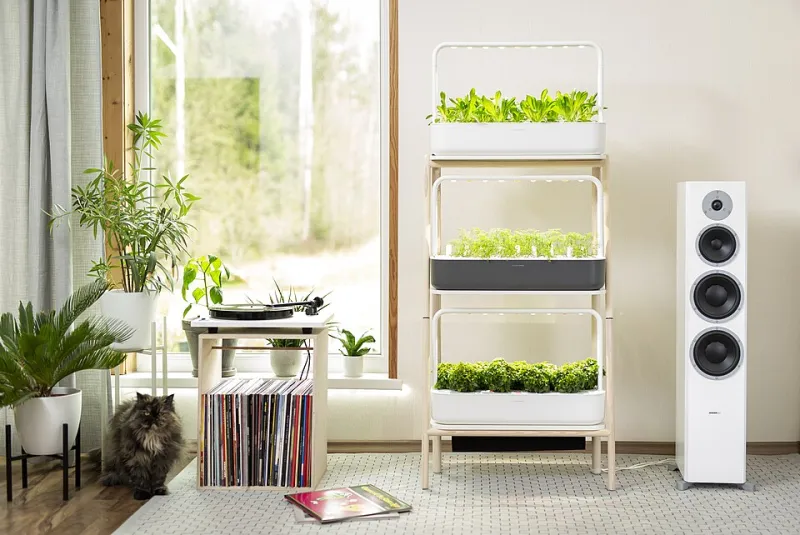
Photo: Janar Raidla, CC BY-SA 4.0, via Wikimedia Commons
Let's be honest — most of us aren't living on a sprawling homestead with raised garden beds and a tool shed. We're in studio apartments in Chicago, one-bedroom rentals in Austin, or cozy flats in Brooklyn with one south-facing window and a serious lack of square footage.
Here's the thing: that's completely enough.
Growing your own medicinal herbs doesn't require outdoor space, a green thumb, or even much time. What it does require is a little intention — and that's something we're all about here at Timeless Herbal Care. There's something deeply grounding about tending to a living plant and then using it to support your health. It closes a loop that our modern, shrink-wrapped world tends to break open.
So whether you're curious, budget-conscious, sustainability-minded, or just tired of paying $8 for a tiny bundle of herbs at the grocery store, this guide is for you.
Why Grow Your Own? The Case for Home Herbalism
Before we get into the dirt (literally), let's talk about why this is worth doing at all.
Cost savings are real. A single lavender plant costs around $5 at a garden center and will produce usable material for years. Compare that to repeatedly buying dried lavender sachets or tinctures, and the math gets compelling fast.
You know exactly what you're getting. Commercial herb products vary wildly in quality, potency, and purity. When you grow it yourself, there are no mystery additives, no irradiation concerns, no supply chain guesswork.
It's better for the planet. No plastic packaging, no shipping emissions, no monoculture farming. Your little windowsill garden is a genuinely sustainable act.
And honestly? It just feels good. Nurturing something living is good for your mental health. Research backs this up — interacting with plants reduces cortisol levels and boosts mood. Your herb garden pulls double duty.
The Best Medicinal Herbs for Small Spaces
Not all herbs are created equal when it comes to apartment living. You want plants that are compact, relatively low-maintenance, and genuinely useful from a wellness standpoint. Here are six that check every box.
🌿 Peppermint
Wellness uses: Digestive support, headache relief, mental clarity
Peppermint is arguably the most rewarding herb for beginners. It grows aggressively (which is actually great in a container — it keeps it contained), thrives in moderate light, and provides almost immediate gratification. A few fresh leaves steeped in hot water make a legitimately effective digestive tea after meals.
Growing tips: Use a pot at least 8 inches wide. Peppermint loves moisture but hates sitting in water, so drainage holes are non-negotiable. Place it in a spot that gets at least 4–6 hours of indirect light. Pinch the tops regularly to encourage bushy growth and prevent flowering, which reduces leaf potency.
🌿 Lemon Balm
Wellness uses: Anxiety relief, sleep support, cold sore treatment
Lemon balm (Melissa officinalis) is criminally underrated in the American herb garden. It smells incredible — like lemon drops and summer — and has genuine calming properties backed by research. It's a cousin of mint, so it grows with similar enthusiasm and ease.
Growing tips: This one tolerates lower light levels better than most herbs, making it ideal for east-facing windows. Water when the top inch of soil feels dry. It can get leggy if not trimmed regularly, so harvest often — which is really just a win-win.
🌿 Chamomile
Wellness uses: Sleep, anxiety, anti-inflammatory, digestive soothing
Chamomile is the herbal equivalent of a warm hug. Growing your own means you can harvest the flowers at peak potency and dry them for tea that's genuinely superior to anything in a commercial teabag.
Growing tips: German chamomile (Matricaria chamomilla) is the variety you want — it's annual, compact, and the one most commonly used medicinally. It needs good sunlight (6+ hours) and well-draining soil. Sow seeds directly in a pot about 12 inches wide. Once it starts flowering, harvest the blooms every few days to encourage continuous production.
🌿 Lavender
Wellness uses: Stress relief, sleep, skin soothing, headache support
Yes, you can grow lavender in an apartment — with the right setup. It needs your sunniest window (south-facing is ideal) and excellent drainage. Get that right, and you'll have a fragrant, multi-use powerhouse on your hands.
Growing tips: Choose a compact variety like 'Hidcote' or 'Munstead.' Use a terracotta pot (it wicks excess moisture) with a sandy, well-draining mix. Lavender hates wet feet more than almost any other herb. Water infrequently and deeply. In winter, cut back watering significantly.
🌿 Holy Basil (Tulsi)
Wellness uses: Adaptogenic stress support, immune function, respiratory health
Holy basil isn't your pasta basil — though it is delicious. As an adaptogen, it helps the body manage stress responses, and it's been central to Ayurvedic practice for thousands of years. It also happens to be one of the easier herbs to grow indoors.
Growing tips: Tulsi loves warmth and sun. Give it your brightest window and keep it away from cold drafts (a real concern near drafty apartment windows in winter). Water consistently but don't overdo it. Pinch flower buds to keep the plant focused on leaf production.
🌿 Aloe Vera
Wellness uses: Burns, skin irritation, wound healing, digestive support
Aloe is the original apartment plant and a legitimate first-aid staple. The gel inside its leaves is one of the most well-researched topical botanicals in existence — effective for minor burns, sunburns, dry skin, and more.
Growing tips: Aloe is nearly indestructible. It prefers bright indirect light and wants to dry out completely between waterings. In fact, overwatering is the only way most people kill it. Use a cactus mix or add perlite to regular potting soil for drainage. Repot only when roots start escaping the drainage hole.
Harvesting, Drying, and Storing Your Herbs
Growing is only half the equation. Here's how to make the most of what you harvest.
Harvest in the morning, after dew has dried but before the heat of the day — this is when essential oil concentrations are highest.
For air drying, bundle small bunches together with a rubber band and hang them upside down in a warm, dry spot with good airflow. A closet door or kitchen cabinet works fine. Most herbs dry fully in 1–2 weeks.
For faster results, spread leaves in a single layer on a baking sheet and place them in your oven at the lowest possible temperature (around 95–115°F) with the door slightly ajar for 2–4 hours.
Store dried herbs in airtight glass jars away from direct sunlight. Label everything with the herb name and harvest date. Most dried herbs retain good potency for 12–18 months.
A Few Final Thoughts
Starting a medicinal herb garden in your apartment is one of the most accessible, affordable, and genuinely satisfying steps you can take toward a more intentional wellness practice. You don't need to overhaul your life or your living space — start with two or three plants that speak to your current wellness needs and grow from there.
At Timeless Herbal Care, we believe that connecting with plants — even in small, urban, imperfect ways — is a powerful act. It's a reminder that nature isn't something separate from us that we visit on weekends. It's something we can invite in, tend to, and be nourished by every single day.
Your windowsill is waiting.
Note: While home-grown herbs are wonderful for everyday wellness support, they are not a substitute for professional medical care. Always consult a healthcare provider for serious health concerns.