Why Your Chamomile Tea Isn't Calming You Down — And the Herbal Fixes That Actually Work
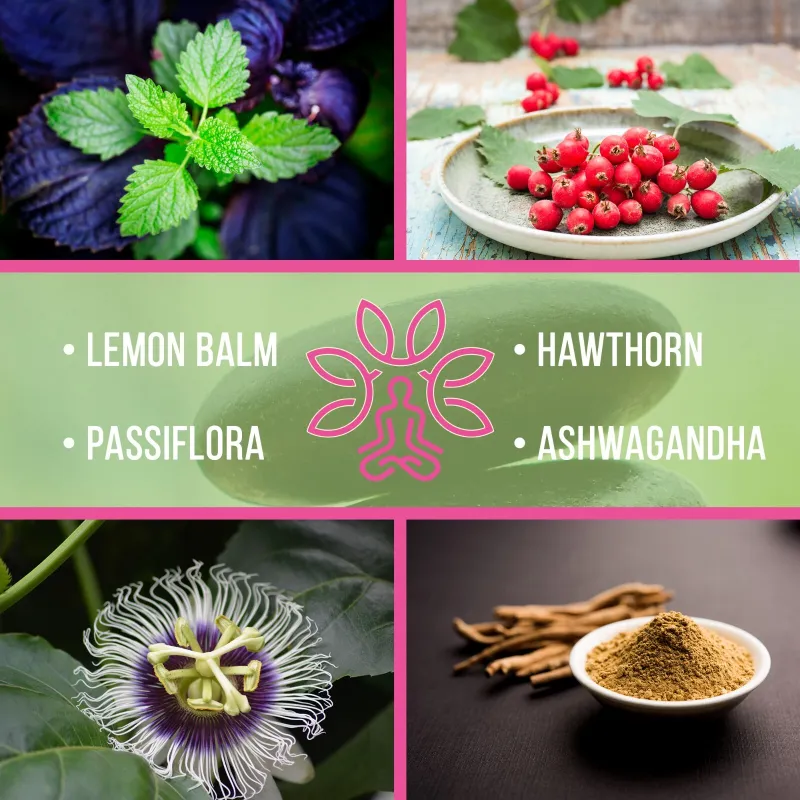
Photo: herbal supplements anxiety relief ashwagandha passionflower natural remedies flat lay, via i.ebayimg.com
You've done everything right. You bought the chamomile. You brewed it before bed. You even turned off Netflix fifteen minutes early. And yet — your mind is still running laps around tomorrow's to-do list at midnight.
So what gives?
Chamomile has been a go-to anxiety remedy for centuries, and it genuinely has the research to back up its reputation. But there's a growing gap between what chamomile can do under the right conditions and what most people are actually getting from a drugstore tea bag. Understanding that gap is the first step toward herbal anxiety support that actually delivers.
The Potency Problem Nobody Talks About
Here's something the wellness industry rarely advertises: not all herbs are created equal, and the difference between a mediocre chamomile product and an effective one is enormous.
Chamomile's calming effects are largely attributed to a compound called apigenin, a flavonoid that binds to benzodiazepine receptors in the brain — the same receptors targeted by anti-anxiety medications like Xanax, though in a far gentler way. The catch? The amount of apigenin in a standard chamomile tea bag is often so low it barely registers therapeutically.
A 2017 study published in Phytomedicine found that standardized chamomile extract — specifically formulated to contain a consistent percentage of apigenin — showed significant reductions in generalized anxiety disorder symptoms over eight weeks. That's extract, not tea. The extraction method matters enormously. Hot water brewing pulls out some beneficial compounds but leaves many of the fat-soluble constituents behind entirely.
If you're steeping a grocery store tea bag for three minutes and expecting pharmaceutical-grade calm, you're asking a lot from a product that may contain more chamomile-flavored filler than actual flower.
Your Body Might Just Be Different
Even with a high-quality product, individual biochemistry plays a massive role in how you respond to adaptogens and nervines. Genetics influence how quickly your liver metabolizes certain plant compounds. Gut microbiome composition affects how much of an herb's active constituents actually get absorbed. Hormonal fluctuations — especially in women — can shift the way your nervous system responds to calming herbs from week to week.
This is why your coworker swears by chamomile and you feel absolutely nothing. It's not a placebo problem. It's a biology problem.
The honest truth is that single-herb solutions for anxiety are often underwhelming precisely because anxiety itself is multifaceted. It involves the HPA axis, neurotransmitter balance, inflammation, sleep quality, and more. One gentle herb addressing one pathway just isn't going to cover that much ground.
Dosing: Where Most People Go Wrong
Another major stumbling block is dosing. Most Americans dramatically underdose herbal remedies because the cultural expectation is that "natural" means subtle — that you take a little and feel something soft and pleasant. But therapeutic herbal doses are often significantly higher than what's printed on a typical supplement label (which is calibrated for legal caution, not clinical efficacy).
For standardized chamomile extract, studies showing anxiety benefits have typically used doses in the range of 220–1500 mg daily, often split across multiple doses. If you're taking one 100 mg capsule before bed, you're probably not in the therapeutic window.
Timing matters too. Herbs that support the nervous system often work better with consistent daily use over several weeks rather than as an as-needed rescue remedy. Think of it less like ibuprofen and more like magnesium — cumulative, not acute.
The Combinations That Clinical Research Actually Supports
Here's where things get genuinely interesting. Some of the most compelling research on herbal anxiety relief isn't about single herbs at all — it's about synergistic combinations.
Ashwagandha + L-theanine: Ashwagandha (Withania somnifera) is an adaptogen with robust clinical backing for cortisol reduction. A 2019 study in Medicine showed that 240 mg of ashwagandha extract daily significantly reduced anxiety scores and morning cortisol levels compared to placebo. Pair it with L-theanine — an amino acid found in green tea that promotes alpha brain wave activity — and you have a combination that addresses both the stress hormone side and the neurological calm side of anxiety simultaneously.
Passionflower + Lemon Balm: This duo is underrated to a frustrating degree. Passionflower works similarly to chamomile in its action on GABA receptors but tends to be more potent. Lemon balm (Melissa officinalis) has been shown in multiple small trials to reduce anxiety and improve sleep quality. Together, they create a broader-spectrum calming effect that many people find more noticeable than chamomile alone.
Rhodiola Rosea for stress-driven anxiety: If your anxiety is more fatigue-and-overwhelm driven than pure nervousness, Rhodiola deserves serious attention. It's an adaptogen that helps regulate the stress response at the adrenal level, and several European clinical trials have shown meaningful improvements in burnout-related anxiety symptoms.
Practical Troubleshooting for Herbal Anxiety Support
If you're already using herbal remedies and not getting results, run through this checklist before giving up:
1. Check your source. Are you buying from a brand that provides third-party testing and standardized extracts? Herb quality varies wildly. Look for brands that publish their COAs (Certificates of Analysis).
2. Reconsider your format. Teas are lovely rituals but often not the most therapeutically potent delivery method. Tinctures, capsules of standardized extract, or dual-extraction products may give you significantly more active compounds.
3. Give it time. Many adaptogens and nervines need four to eight weeks of consistent use before their effects become measurable. One week isn't a fair trial.
4. Look at the full picture. Herbs work best when the basics are covered. Chronic sleep deprivation, a diet high in ultra-processed foods, and unmanaged inflammation can blunt the effects of even the best herbal protocol.
5. Consider working with a clinical herbalist. A qualified practitioner can assess your specific constitution and stress patterns and recommend a personalized combination rather than a one-size-fits-all approach.
The Bottom Line
Chamomile isn't a failure. It's a genuinely valuable herb that's been let down by weak products, poor dosing guidance, and unrealistic expectations. The good news is that the herbal world has far more to offer than one flower.
When you approach herbal anxiety support with the same rigor you'd apply to any other wellness intervention — quality sourcing, appropriate dosing, consistent use, and a willingness to explore combinations — the results can be genuinely meaningful. Ancient plant wisdom and modern biochemistry aren't at odds here. They're pointing in the same direction. You just need the right map to follow them.