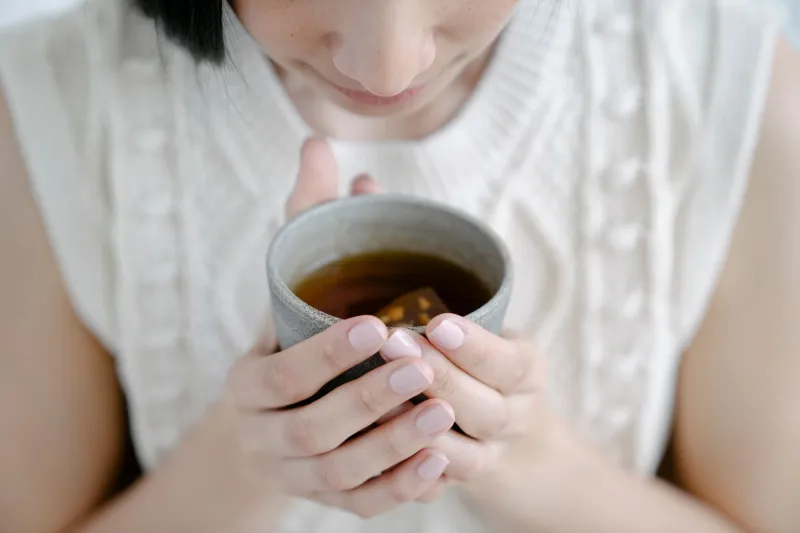
Thirty Days, Zero Coffee: My Honest Experiment With Nettle, Oatstraw, and a Very Rude Withdrawal Week
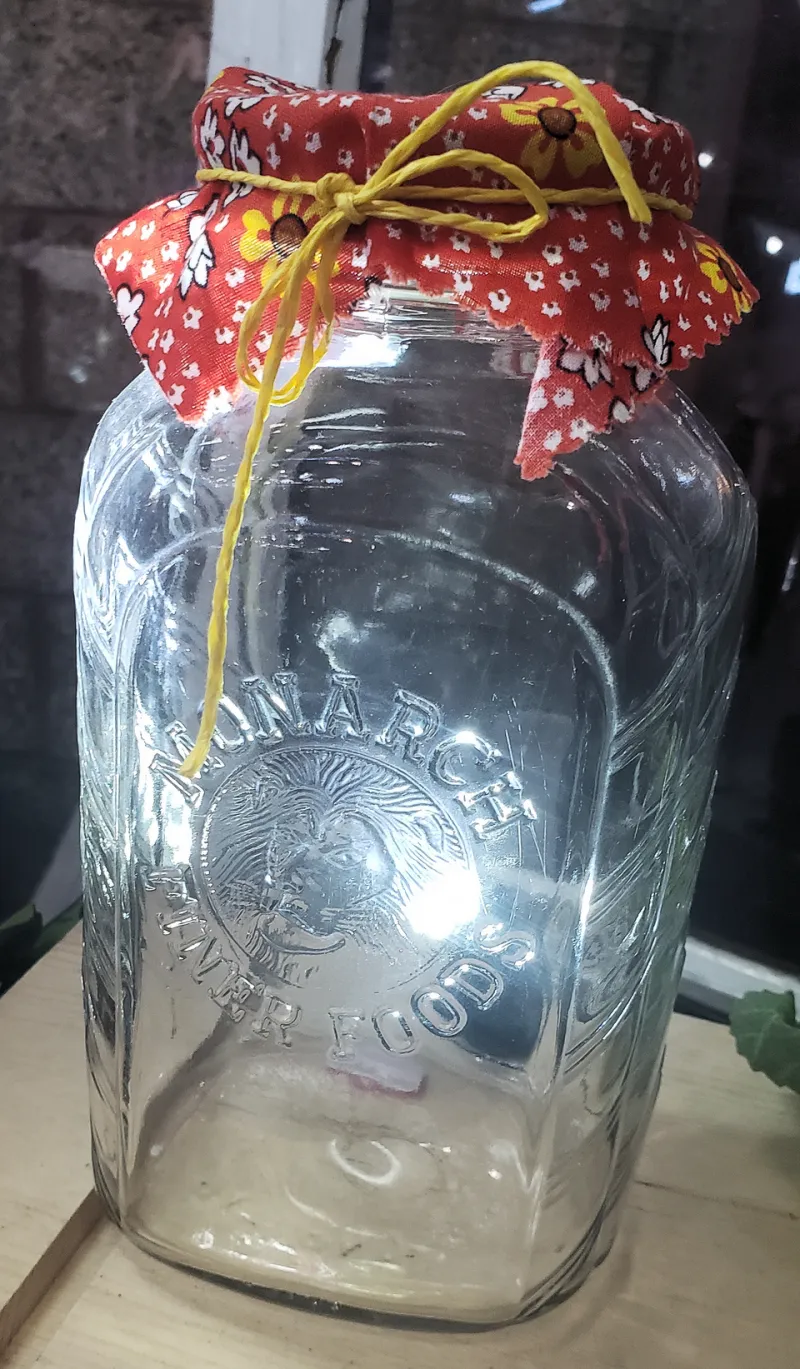
Photo: Eric Polk, CC BY-SA 4.0, via Wikimedia Commons
I want to tell you that day one was a gentle awakening. That I floated out of bed, brewed a jar of nettle infusion, and felt my cells sing.
I did not. I had a headache that felt like a small mammal nesting behind my eyes, and I was not pleasant to live with.
But let me back up. As someone who writes about herbal wellness for a living, I'd been hearing the same pitch for years: nourishing herbal infusions — long-steeped, mineral-dense brews of plants like nettle, oatstraw, and red clover — as a daily foundation instead of another hit of caffeine. Susun Weed popularized the practice decades ago, and it's had a quiet renaissance on wellness TikTok. I decided to test it on myself: thirty days, no coffee, infusions instead.
Here's the honest report.
The Setup
The method is simple, which is part of the appeal. Instead of a light tea (a teaspoon steeped five minutes), an infusion uses a generous handful of dried herb — roughly one ounce — steeped in a quart of just-boiled water for four hours or overnight. Then you strain, refrigerate, and drink it over the next day or two.
I rotated four herbs:
- Nettle — the workhorse, famously rich in iron, magnesium, calcium, and other minerals
- Oatstraw — mild, slightly sweet, traditionally used for frazzled nerves
- Red clover — floral, with a long folk history for hormonal support
- Roasted dandelion root — my bridge herb, because it brews dark and bitter and at least pretends to be coffee
Week One: The Reckoning
Nobody warned me properly about this, so let me warn you: caffeine withdrawal is not a vibe, it's an event.
Days one through three, I had the classic symptoms — throbbing headache, brain fog, and a 2 p.m. slump so profound I considered drinking the dandelion root cold, grounds and all. This isn't the herbs' fault; it's pharmacology. Caffeine withdrawal is a recognized syndrome with headaches and fatigue as hallmark symptoms, and quitting cold turkey after years of daily coffee guarantees you'll meet it.
The infusions didn't rescue me during week one. Nothing rescues you during week one. But they gave my hands something to do and my body something to absorb, and the ritual of steeping the night before felt like a small act of self-respect.
Weeks Two and Three: The Turn
Around day nine, the headache lifted. Around day eleven, something stranger happened.
My energy stopped spiking and crashing. Instead of the coffee rollercoaster — sharp up at 8 a.m., cranky dip at 11, desperate reboot at 2 — I noticed a low, steady hum that lasted most of the day. It wasn't the electric buzz of a double shot. It was closer to being adequately rested, a sensation I'd honestly forgotten.
Was it the minerals? The hydration? The absence of caffeine? The placebo effect? Honestly, probably some combination. Nettle infusions genuinely do deliver meaningful amounts of minerals — a long steep extracts water-soluble calcium, magnesium, and iron — though bioavailability from plant sources varies, and I'd never claim an infusion replaces a balanced diet.
Other observations from the middle stretch:
- My afternoon snacking dropped, possibly because blood sugar was no longer whipsawed by caffeine
- My sleep improved noticeably by week three — falling asleep faster, waking less
- Oatstraw is criminally underrated and tastes like a meadow's gentle handshake
- Red clover and I did not get along (more on that below)
Week Four and the Verdict
By day thirty, I wasn't counting minutes until my next cup. I was just... going about my day, hydrated, with a mason jar of green liquid in the fridge. I've kept up a hybrid routine since: infusions daily, coffee on weekends, about twice a week. It feels like a relationship rather than a dependency, and that distinction matters to me.
Who Should Try This — and Who Shouldn't
Give it a shot if: you're running on four coffees and a prayer, you suspect your caffeine habit is masking chronic under-sleeping, or you love a ritual and a mason jar.
Think twice or talk to a professional first if: you're pregnant or nursing (red clover in particular needs a practitioner's green light), you take blood thinners or other medications (nettle can interact), you have kidney issues, or you have an iron overload condition.
Practical tips from the trenches:
- Taper instead of quitting cold turkey unless you enjoy suffering. Cut coffee by half for a week first. Your coworkers will thank you.
- Start with nettle and oatstraw. They're the most forgiving flavors.
- Strain well and refrigerate. A four-hour infusion left warm can sour fast — drink infusions within 24–48 hours.
- Don't forage your own nettle unless you really know your plants. Buy quality dried herb from a reputable source.
- Manage expectations. This isn't a stimulant replacement. It's a subtraction. The benefits come from what you're no longer doing to your nervous system.
The biggest thing no one tells you? The experiment isn't really about the herbs. It's about discovering how much of your 'tiredness' was actually withdrawal, and how much energy was there all along, waiting underneath.