Stop Blaming Your Mattress: What Traditional Herbalism Knows About Sleep That Modern Supplements Don't
America has a sleep problem. About one in three US adults regularly fall short of the recommended seven hours a night, and the supplement aisle has responded accordingly — rows upon rows of melatonin gummies, magnesium blends, and proprietary "sleep formulas" promising to knock you out and keep you there. Sales of over-the-counter sleep aids topped $800 million last year alone.
And yet, somehow, we're still exhausted.
Here's the thing nobody on the label is telling you: many of these products — even the "natural" ones — are designed around a pretty blunt objective. Knock you out. Get you to the morning. What they rarely account for is how you sleep, not just whether you do. And that distinction, as traditional herbal medicine has understood for centuries, is everything.
The Architecture of a Good Night
Sleep isn't a single event. It's a carefully orchestrated cycle — moving through light sleep, deep slow-wave sleep, and REM stages multiple times across the night. Each phase does something specific: deep sleep repairs tissue and consolidates memory, REM supports emotional processing and creativity. Disrupt the architecture, and you can clock eight hours and still wake up feeling like you've been hit by a truck.
High-dose melatonin is a good example of a well-intentioned product that can create problems. Your body naturally produces melatonin in small, precise amounts — typically between 0.1 and 0.3 milligrams at peak. Most commercial supplements deliver 5 to 10 milligrams. That's not a gentle nudge toward sleep; it's a hormonal shout. Some research suggests that flooding your system with synthetic melatonin can actually suppress your body's own production over time, making it harder to sleep without supplementation.
Traditional herbalists weren't working with that kind of logic. They weren't trying to override the body — they were trying to support it.
What the Old Traditions Got Right
Across cultures and centuries, herbalists converged on a similar approach to sleep: address the reason you can't sleep, not just the symptom. Anxious mind? There's an herb for that. Tension in the body? Different herb. Trouble staying asleep versus falling asleep? The formula shifts accordingly.
This nuance is largely absent from modern supplement culture, which tends to treat "sleep" as a single problem requiring a single solution.
Three plants in particular appear consistently across traditional Western herbalism for sleep support — and modern research is starting to catch up to why.
Valerian Root (Valeriana officinalis) has been used in European folk medicine since at least the second century. It works primarily by supporting GABA activity in the brain — essentially the same neurotransmitter pathway that prescription sleep medications target, but in a far gentler, non-dependency-forming way. Valerian is particularly well-suited for people who struggle to fall asleep due to racing thoughts or restlessness. Traditional protocols often called for taking it 30 to 60 minutes before bed, and contemporary research backs up that timing.
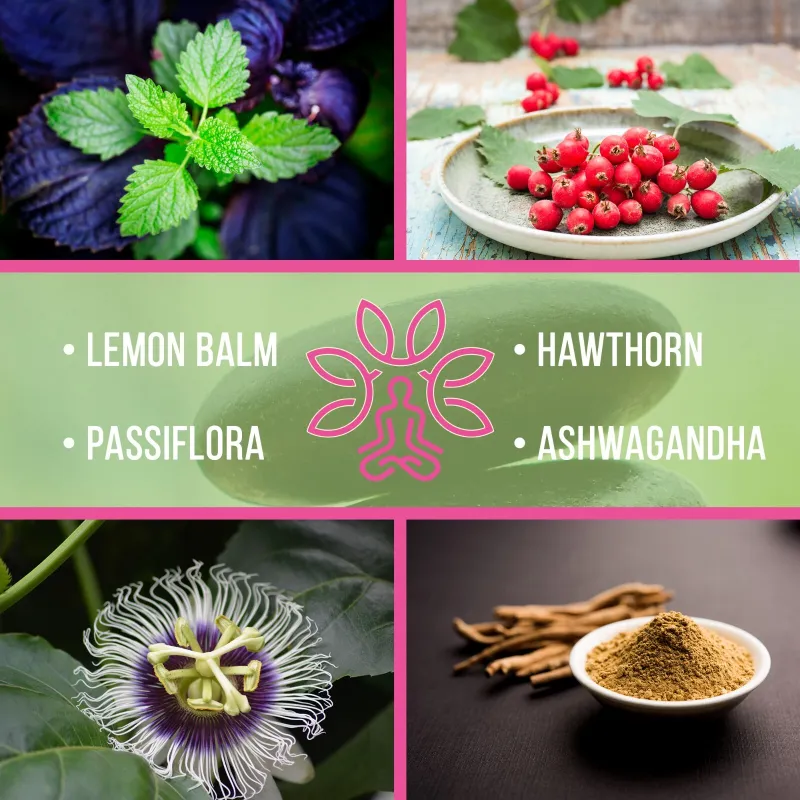
Passionflower (Passiflora incarnata) is native to the American Southeast and was used by Indigenous peoples long before European settlers adopted it. It's become one of the better-studied herbs for anxiety-related sleep disruption. Where valerian tends to address the "wired" quality of sleeplessness, passionflower has a more calming, quieting effect — particularly useful for the kind of low-grade anxiety that keeps you staring at the ceiling at 11 PM. It also appears to support sleep quality, not just onset.
Skullcap (Scutellaria lateriflora) is perhaps the least famous of the three, but herbalists have long considered it a foundational nervine — meaning it nourishes and calms the nervous system rather than simply sedating it. It's particularly valued for people whose sleeplessness stems from nervous exhaustion or overstimulation (sound familiar in 2024?). Skullcap works well as a supporting player in a formula, helping to extend and deepen the effects of the other herbs.
The Synergy Principle
Here's where traditional herbalism gets genuinely sophisticated. These plants weren't typically used in isolation — they were combined, and the combinations were intentional. The concept of herbal synergy holds that certain plant compounds work better together than separately, either by addressing different pathways simultaneously or by enhancing each other's activity.
A classic sleep blend might pair valerian (for GABA support and sleep onset) with passionflower (for anxiety reduction and sleep quality) and a small amount of skullcap (for nervous system nourishment). Some traditional formulas also incorporated lemon balm (Melissa officinalis) — a mild nervine with a pleasant flavor that rounds out the formula and adds its own mild anxiolytic properties.
The ratio matters too. Valerian tends to be the primary herb, with passionflower and skullcap in supporting roles. A rough traditional starting point: 2 parts valerian to 1 part passionflower to 1 part skullcap, with lemon balm added to taste if using as a tea.
Timing Is Everything
Traditional herbalists paid close attention to when herbs were taken — something modern supplement culture almost completely ignores (beyond the vague instruction to "take at bedtime").
For sleep support, the general principle from traditional practice is to begin winding down the nervous system well before you actually want to fall asleep. That means:
- 60–90 minutes before bed: First dose of your sleep blend, whether as a tea, tincture, or capsule. This gives the herbs time to begin modulating your nervous system before you actually try to sleep.
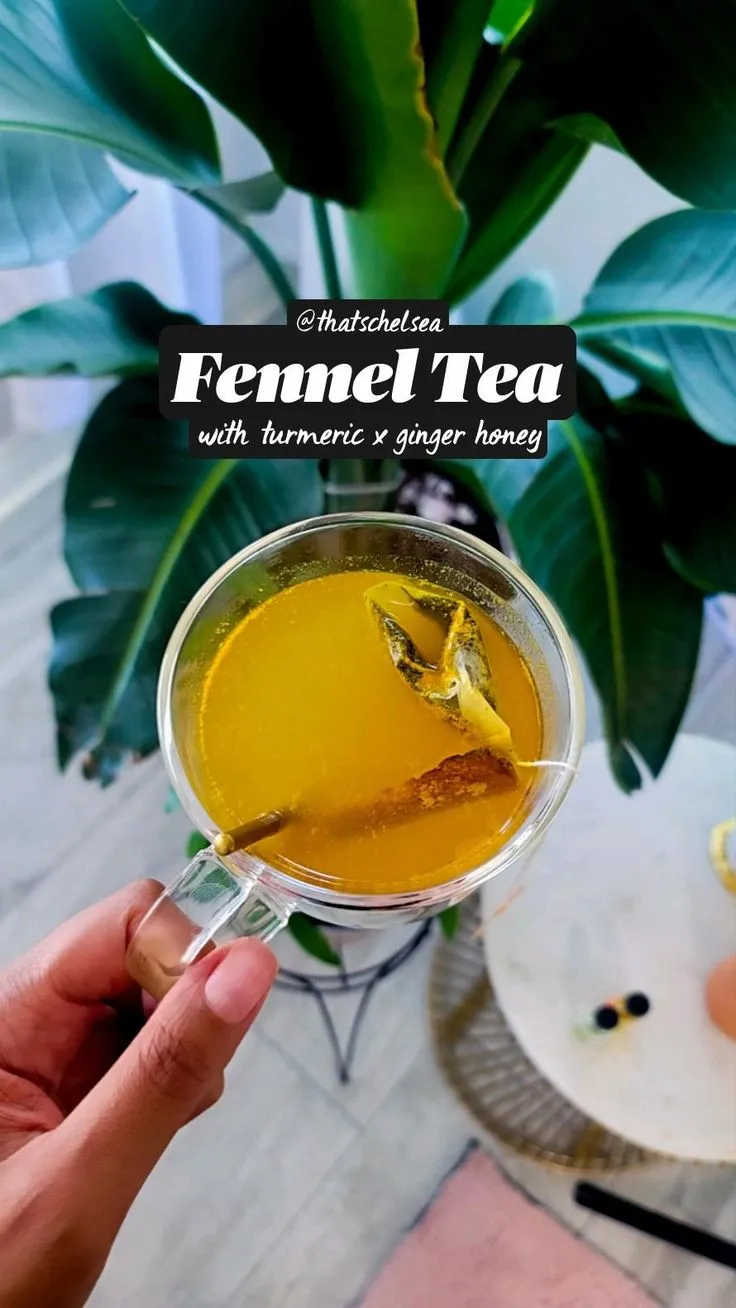
- 30 minutes before bed: A second, smaller dose if using a tincture or tea. Some herbalists recommend a warm cup of the blend at this point specifically because the ritual of drinking something warm is itself calming — the herbs and the habit reinforce each other.
- Consistency over intensity: Traditional use emphasized taking herbal sleep support regularly over weeks, not just on bad nights. Many of these herbs, particularly valerian, appear to have cumulative effects that build over time.
Building Your Own Formula
If you want to experiment with a personalized herbal sleep protocol, here's a practical starting point:
-
Identify your primary sleep challenge. Hard to fall asleep? Valerian-forward formula. Wake up frequently? Emphasize passionflower. Feel wired and anxious at night? Skullcap and lemon balm become more important.
-
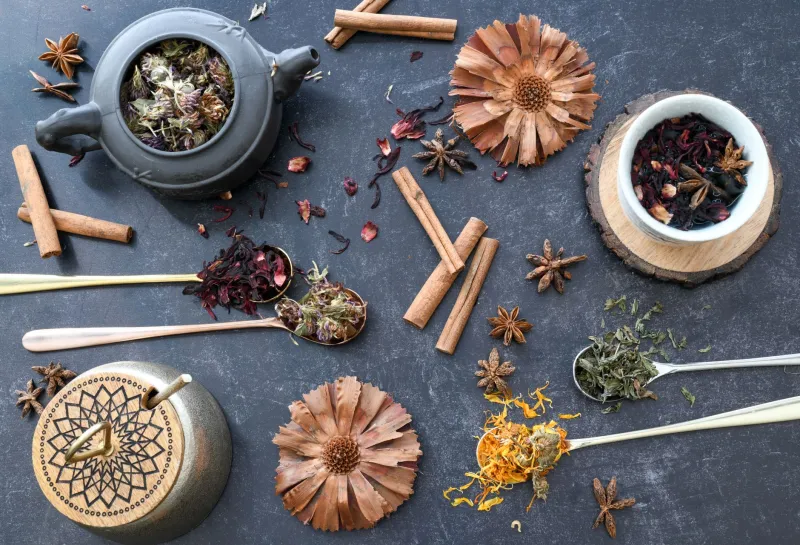
Choose your delivery method. Tea is the most traditional and allows for easy dose adjustment. Tinctures (alcohol-based liquid extracts) are more concentrated and faster-acting. Capsules are convenient but slower to take effect.
-
Start low and adjust. Traditional herbalism is not about maximum doses — it's about finding the minimum effective amount. Start with a modest dose and give it two to three weeks before adjusting.
-
Support the formula with context. Herbs work better when you're also doing the basics: consistent sleep and wake times, a cool dark room, limiting screens in the hour before bed. Think of the herbs as amplifying a foundation you're already building.
-
Source matters. Look for organic, third-party tested herbs from reputable suppliers. The quality of botanical products varies enormously, and a poorly sourced valerian extract is not going to deliver what centuries of traditional use documented.
The Bottom Line
Modern sleep supplements aren't all bad — but many of them are working from an incomplete model of what sleep actually is and what the body needs to achieve it. Traditional herbal medicine, refined across generations of careful observation, understood something that's easy to miss in an age of quick fixes: the goal isn't to force sleep. It's to create the conditions in which sleep can happen naturally.
That's a slower, more patient approach. But for a lot of people who've been chasing better sleep with melatonin gummies for years, it might be exactly the shift that finally works.