What Your Liver Already Knows: How Traditional Herbal Remedies Outperform the Modern Hangover Aisle
The Morning After Has Always Had a Botanical Answer
Let's be honest. Most of us have stood in a drugstore at 9 a.m. on a Sunday, squinting at a wall of "hangover cures" — fizzy tablets, neon drinks, charcoal capsules — wondering which one is actually worth the $18. The wellness industry has turned post-drinking recovery into a full product category, and most of it is built on marketing more than mechanism.
Here's the thing though: humans have been drinking fermented beverages for thousands of years, and for nearly that long, traditional healers across cultures have had plant-based answers for the morning after. These weren't random folk guesses. They were refined, passed-down protocols built around a deep — if intuitive — understanding of how the liver, gut, and nervous system handle alcohol's aftermath.
So before you drop another $25 on a hangover supplement with a flashy label, let's talk about what actually happens in your body after a night of drinking, and why certain herbs have been trusted across centuries to help.
What's Actually Happening Inside You
A hangover isn't just dehydration — though that's part of it. When your liver processes alcohol, it converts ethanol into acetaldehyde, a compound that's genuinely toxic and responsible for a lot of that awful, foggy, nauseated feeling. Your liver then works to convert acetaldehyde into acetate, which is far less harmful. The problem is that this process depletes glutathione — one of your body's most important antioxidants — and taxes the liver significantly in the process.
Layered on top of that, alcohol disrupts your gut lining, inflames your nervous system, depletes B vitamins and electrolytes, and interferes with blood sugar regulation. In short, a hangover is a full-body event. Which is exactly why a single-ingredient quick fix rarely does the job — and why the best traditional approaches work across multiple systems at once.
Milk Thistle: The Liver's Oldest Ally
If there's one herb that deserves a permanent spot in your home apothecary for post-celebration recovery, it's milk thistle (Silybum marianum). Its active compound, silymarin, has been studied extensively for its ability to support liver cell regeneration and protect hepatocytes — the liver cells doing the hard work of metabolizing alcohol — from oxidative damage.
What makes milk thistle particularly relevant here is that it supports glutathione production, the very antioxidant that alcohol depletes. Traditional European herbalism has used milk thistle for liver complaints for over 2,000 years. Modern clinical research has largely confirmed what those practitioners suspected: this plant is genuinely hepatoprotective.
For post-drinking recovery, milk thistle is best taken as a standardized extract (look for 70–80% silymarin content) either the night of drinking or first thing the following morning. Some people keep capsules on their nightstand — a habit that's equal parts practical and ancient in spirit.
Ginger: More Than Just Nausea Relief
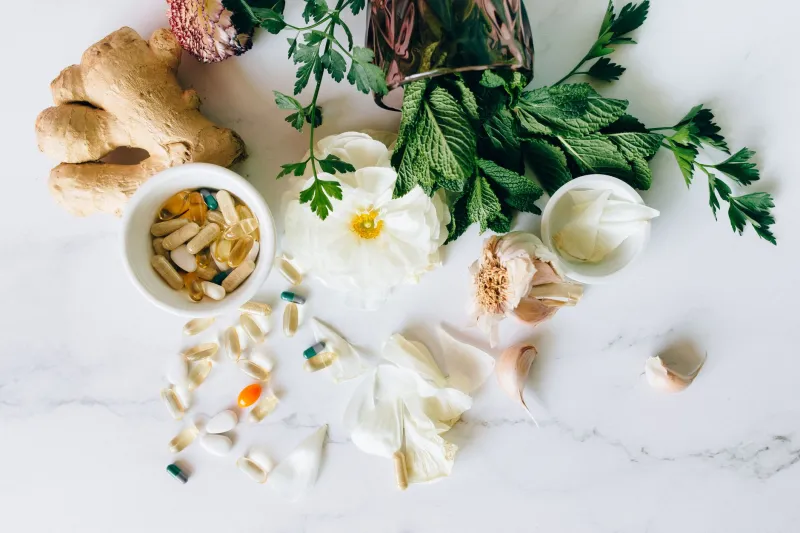
Ginger (Zingiber officinale) is the kind of plant that keeps showing up across traditional medicine systems — Ayurvedic, Traditional Chinese Medicine, Caribbean folk medicine, Indigenous North American practices — because it genuinely works across a wide range of complaints. For hangover recovery specifically, its value goes deeper than just settling an upset stomach.
Ginger is a powerful anti-inflammatory, and because alcohol triggers systemic inflammation (including in the brain, which contributes to that pounding headache), ginger's ability to modulate inflammatory pathways makes it genuinely useful here. It also supports digestive motility — helping move things along when your gut has been thrown off by a night of drinking — and has demonstrated blood sugar-stabilizing effects, which matters because alcohol can cause reactive hypoglycemia the morning after.
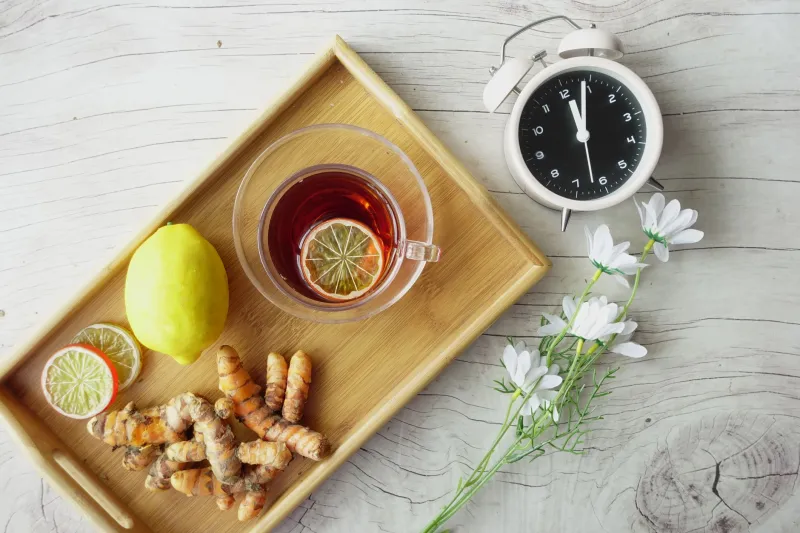
Fresh ginger tea — a few slices simmered in water for 10 minutes with a little honey and lemon — is one of the most effective and accessible recovery drinks you can make. It's also significantly cheaper than any "wellness shot" at your local juice bar.
Bitters: The Forgotten Recovery Tool
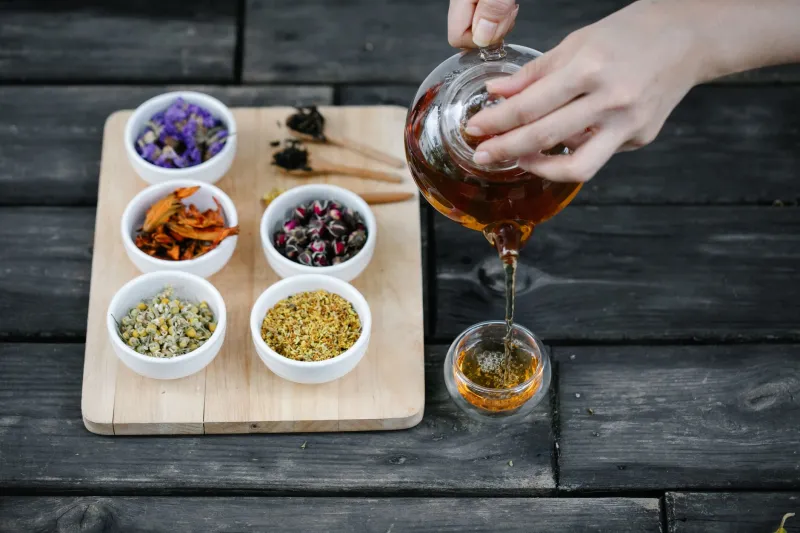
Here's one that surprises people: digestive bitters, the kind your grandparents might have kept in the cabinet, are genuinely useful for alcohol recovery. Bitter botanicals — think dandelion root, gentian, artichoke leaf, and angelica — stimulate bile production and liver function through what herbalists call the "bitter reflex."
When bitter compounds hit your taste receptors, they trigger a cascade of digestive secretions that support the liver and gallbladder in processing and eliminating toxins more efficiently. Traditional European cultures used bitters not just as digestifs before or after meals, but specifically as morning-after tonics. The Germans had their Jägermeister (originally medicinal), the Italians had Fernet, and American bartenders of the 1800s knew that a dash of Angostura in soda water was as much cure as cocktail ingredient.
A few drops of a quality herbal bitters tincture in a glass of water first thing in the morning can genuinely help move your liver's recovery process along. This is ancient wisdom dressed in practical, modern-life clothing.
Why the Modern Hangover Aisle Falls Short
Electrolyte drinks aren't inherently bad — rehydration matters. But most of the packaged hangover products on the market are built around a simplified view of what a hangover actually is. They address dehydration and maybe B vitamin depletion, but they largely ignore liver support, inflammation, gut disruption, and blood sugar instability.
More importantly, many of these products contain synthetic isolates — individual vitamins or minerals pulled out of their natural context. Traditional herbal remedies, by contrast, contain complex matrices of compounds that work together synergistically. Milk thistle doesn't just deliver silymarin; it delivers dozens of flavonoids that support each other's activity. Ginger contains over 400 bioactive compounds that collectively produce its therapeutic effect. The whole plant is often more effective than any single extracted constituent — a concept that modern supplement formulation still struggles to fully replicate.
A Practical Post-Celebration Protocol
Building your own herbal recovery kit doesn't require a lot of money or a degree in herbalism. Here's a simple, practical approach:
The night of: Take 250–500mg of milk thistle extract before bed. Drink at least two glasses of water. If you have bitters on hand, a small amount in water can help.
Morning of: Start with fresh ginger tea — real ginger, simmered, not a tea bag. Add lemon for vitamin C and honey for blood sugar support. Take another dose of milk thistle. If you have a quality bitters tincture, add a few drops to a glass of water.
Throughout the day: Keep hydrating, but don't rely solely on plain water. Coconut water provides natural electrolytes without artificial dyes or sweeteners. Bone broth or a simple miso soup supports gut lining repair. If you can eat, opt for easy-to-digest foods with some healthy fat and protein to stabilize blood sugar.
Optional additions: Turmeric (for inflammation), holy basil or ashwagandha (to support the nervous system's recovery from alcohol's depressant effect), and dandelion root tea (a gentle liver and kidney tonic).
The Bigger Picture
Traditional herbal medicine wasn't naive about alcohol — it was realistic. These cultures drank, they celebrated, and they developed sophisticated botanical tools for helping the body recover with grace. The plants they relied on didn't work by masking symptoms or flooding the system with synthetic compounds. They worked with the body's existing detoxification pathways, supporting the liver, calming inflammation, and gently nudging the gut and nervous system back into balance.
That's the fundamental difference — and it's worth remembering the next time you're tempted by a flashy hangover cure at the checkout counter. Your body already knows how to recover. The right herbs just help it do that job a little faster, a little more comfortably, and with a lot more wisdom behind them.