Why Spring Allergies Hit Harder When You Quit Your Winter Herbs Cold Turkey
Every March, something predictable happens. The weather turns just soft enough to feel hopeful, people swap their heavy coats for light jackets, and — almost overnight — they stop reaching for the elderberry syrup, the astragalus tincture, the warming spice blends that carried them through January and February. Winter's over, right? Time to move on.
Then the sneezing starts.
By mid-April, half those same people are convinced they've developed a sudden, severe pollen allergy. And maybe they have — but there's a good chance the pollen isn't the whole story. What's actually happening is something herbalists have understood for generations: the body doesn't transition between seasons on a fixed calendar date, and when you abruptly pull the rug out from under a well-supported immune system, it stumbles.
Your Immune System Doesn't Know It's Spring Yet
Winter herbal protocols are designed to keep your immune defenses alert and your inflammatory responses in check during the months when your body is under the most stress — less sunlight, more time indoors, heavier foods, reduced circulation. Herbs like astragalus, reishi, and elderberry aren't just treating acute illness; they're training your immune system to stay calibrated.
When you stop that support suddenly, your immune system doesn't gracefully downshift. It often overcorrects. Immunologists describe a similar phenomenon with certain pharmaceutical treatments — abrupt cessation can cause rebound effects. With herbal protocols, the mechanism is gentler, but the principle holds: your body was relying on consistent botanical input to maintain a certain level of regulation, and pulling that input without a transition plan leaves a gap.
That gap is exactly when pollen hits. And a dysregulated immune system encountering a high-allergen environment is a recipe for the kind of spring misery that sends people to the drugstore for antihistamines they'd rather not take.
The Seasonal Overlap Nobody Talks About
Traditional herbal systems — Ayurveda, Traditional Chinese Medicine, European folk herbalism — have always treated seasonal transitions as their own distinct phase requiring specific support. The weeks between late winter and early spring aren't really winter or spring; they're something in between, and they deserve their own herbal strategy.
In TCM, this transitional window is associated with liver energy rising and the body beginning its natural cleansing process after months of cold-weather stagnation. In European folk traditions, early spring herbs like nettles and cleavers were consumed specifically during this window — not as a replacement for winter remedies, but as a bridge. These weren't random choices. These plants were understood to help the body shift gears without going into shock.
Modern herbalists are increasingly recognizing that this overlap period — roughly a four-to-six week window depending on your climate zone — is one of the most important times to be intentional about what you're putting in your body.
What a Smarter Transition Actually Looks Like
The goal isn't to keep taking your full winter protocol indefinitely. It's to taper off the immune-stimulating, warming herbs while simultaneously introducing herbs that support detoxification, reduce histamine reactivity, and prepare your body for increased allergen exposure.
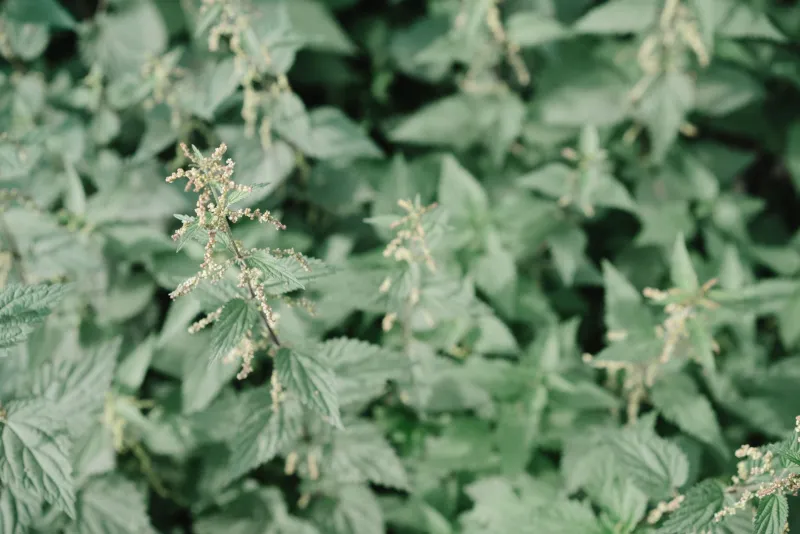
Stinging Nettle is probably the most well-researched herb for this exact transition. A freeze-dried preparation of nettle leaf has been studied for its ability to modulate histamine response — meaning it helps your immune system react proportionately to allergens rather than going haywire. Start incorporating nettle tea or capsules a few weeks before your area's pollen season typically peaks. Don't wait until you're already symptomatic.
Reishi mushroom is interesting here because it straddles both seasons beautifully. It's deeply supportive of immune regulation (not just stimulation), which makes it one of the few winter herbs worth carrying into spring at a lower dose. It helps calm an overactive immune response, which is exactly what seasonal allergies represent.
Cleavers (Galium aparine) is an old-school spring tonic that most American herb users have never heard of, but European and British herbalists have leaned on it for centuries. It supports lymphatic drainage and helps the body clear the accumulation of winter sluggishness. Fresh cleavers steeped as a cold infusion is a traditional preparation — it's subtle, slightly grassy, and genuinely effective when used consistently through the transition.
Goldenrod often gets unfairly blamed for causing allergies (thanks to its highly visible yellow blooms that coincide with ragweed season), but it's actually an excellent anti-inflammatory and upper respiratory tonic. Incorporating goldenrod tea in early spring can help keep nasal passages and sinuses clear and less reactive.
Turmeric and black pepper, already staples in many people's daily routines, deserve extra attention during this window. Curcumin has well-documented anti-inflammatory properties, and inflammation is a core driver of allergic reactivity. If you've been taking it sporadically, spring transition is a good time to get consistent.
A Simple Four-Week Bridge Protocol
You don't need a complicated system. Here's a basic framework:
Weeks 1–2 (Late Winter): Maintain your core winter herbs but begin adding nettle and cleavers. Think of it as layering rather than replacing.
Weeks 3–4 (Early Spring): Start tapering your immune-stimulating herbs (elderberry, astragalus) to every other day, then every few days. Keep reishi at a lower dose. Lean into the cleansing herbs — dandelion root tea supports liver function and helps process the increased histamine load your body is managing.
Week 5 and Beyond: Your winter protocol is largely phased out. Your spring protocol — nettle, goldenrod, reishi, turmeric, and any local adaptogens that suit your constitution — is now your baseline.
Hydration matters more than people realize during this transition. Mucous membranes that are well-hydrated are less reactive to airborne allergens. Pair your herbal teas with consistent water intake and you're giving your body a real advantage.
The Bigger Picture: Listening to Seasonal Rhythm
One of the most radical things you can do in a culture that treats every month like every other month — same supplements, same routines, same everything — is to actually pay attention to the seasons. Not in a performative way, but in a genuinely responsive way.
Your body is not a static machine. It's a dynamic system that evolved to move through cycles. The herbs that serve you in January are not the herbs that serve you in April, and the transition between them matters just as much as the protocols themselves.
Spring allergies aren't inevitable. For many people, they're a symptom of a system that wasn't given the support it needed to shift gracefully. Start the conversation with your body a little earlier this year — before the pollen counts climb, before the sneezing starts, before you're standing in a pharmacy aisle wishing you'd done something differently.
Your winter herbs did their job. Now give them a proper send-off.