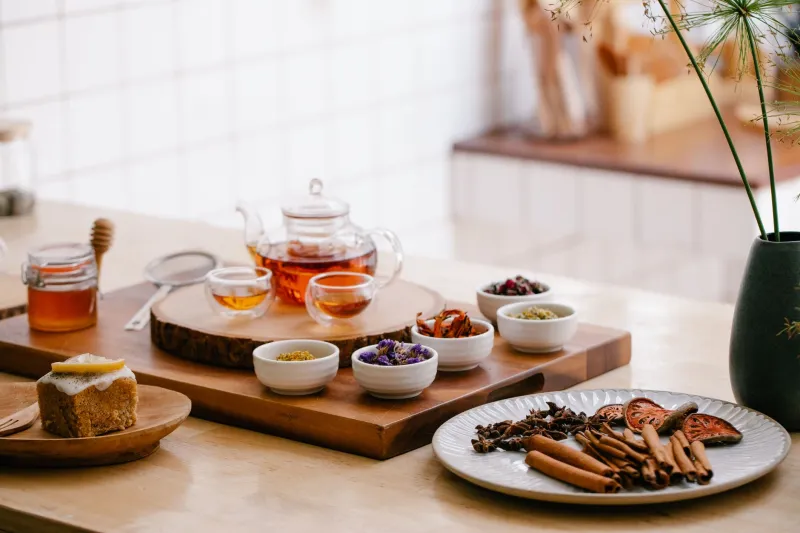
Good Gut, Bad Reaction: When Fermented Foods and Herbal Staples Work Against You
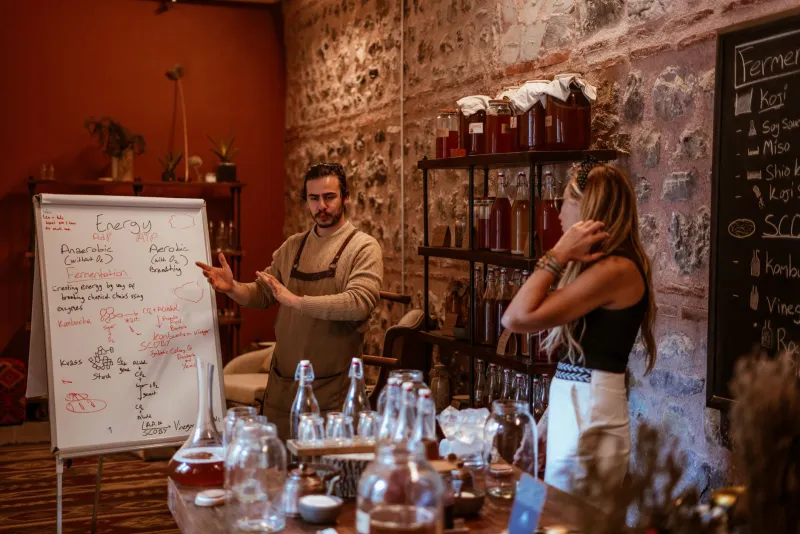
You've done everything right. Kombucha in the fridge. Kimchi on the counter. A carefully curated collection of herbal tinctures lined up on your windowsill. You're eating whole foods, avoiding processed junk, and leaning into the kind of traditional wellness wisdom that's been around for centuries. And yet — headaches keep showing up out of nowhere. Your skin flares. You feel bloated and foggy after meals that should be nourishing you.
Here's something most wellness content won't tell you: for a meaningful slice of the population, the very foods and herbs celebrated as pillars of holistic health can quietly become the source of the problem. The culprit? Histamine — a compound your body both produces and ingests, and one that some people simply cannot process efficiently.
Understanding this isn't about fear-mongering your fermented foods. It's about learning to listen to your body with more precision — which is, honestly, what timeless herbal wisdom has always asked us to do.
What Histamine Actually Does in Your Body
Most people associate histamine with allergies — that sneezy, itchy, watery-eyed response to pollen or pet dander. But histamine is far more than a seasonal nuisance. It's a chemical messenger involved in immune responses, digestion, and even neurological function. Your body produces it, stores it in mast cells, and relies on it to regulate a surprisingly wide range of processes.
The issue arises when histamine accumulates faster than your body can break it down. Normally, two enzymes — diamine oxidase (DAO) and histamine N-methyltransferase (HNMT) — are responsible for clearing histamine from your system. When those enzymes are compromised, deficient, or simply overwhelmed, histamine builds up. And the symptoms that follow can look like almost anything: migraines, hives, nasal congestion, heart palpitations, anxiety, fatigue, or a general sense that your body is staging a protest.
This is what's known as histamine intolerance — and it's estimated to affect somewhere between one and three percent of the population, though many researchers believe that number is significantly underreported.
Why Fermented Foods Are Particularly High-Risk
Fermentation is one of humanity's oldest food preservation techniques, and for good reason. It enhances nutrient bioavailability, supports microbial diversity, and has deep roots in food traditions from Korea to Germany to Mexico. But the same microbial activity that makes fermentation so powerful also generates histamine as a byproduct.
Foods like sauerkraut, kimchi, miso, tempeh, aged cheeses, wine, and yes — kombucha — are among the highest dietary sources of histamine. Vinegar-based condiments, cured meats, and even leftover proteins that have sat in the fridge for a day or two also fall into this category. For someone with fully functioning DAO enzymes and no underlying sensitivities, this isn't a problem. Their body handles it efficiently and moves on.
But for someone with reduced DAO activity — whether due to genetics, gut inflammation, certain medications like common NSAIDs, or a compromised intestinal lining — that kombucha with breakfast and kimchi at lunch can send their histamine bucket overflowing before dinnertime.
The Herbal Angle Nobody Talks About
Here's where things get genuinely interesting for anyone invested in herbal wellness. Several commonly used herbs and botanical supplements also contain histamine or act as histamine liberators — meaning they trigger the release of histamine already stored in your mast cells, even if they don't contain much themselves.
Nettle leaf is a fascinating case study. It's widely recommended as a natural antihistamine — and it does have real anti-inflammatory and mast cell-stabilizing properties. But fresh nettles and some preparations also contain compounds that can provoke histamine release in sensitive individuals, especially in higher doses. The dried, freeze-dried, or encapsulated forms tend to be better tolerated.
Other herbs worth knowing about if you suspect histamine sensitivity include:
- Elderflower and elderberry — beloved for immune support but potentially problematic for some histamine-sensitive individuals
- Licorice root — a foundational adaptogen that may inhibit DAO activity in certain preparations
- Yerba mate and green tea — the methylxanthines they contain can stimulate histamine release
- Cinnamon and cloves — warming spices used in countless herbal blends that double as histamine liberators
- Fermented herbal preparations — including some traditional fire cider recipes and certain probiotic-rich herbal tonics
None of this means these herbs are bad. It means they're potent, and potency demands personalization.
Recognizing the Pattern in Your Own Routine
Histamine intolerance can be maddeningly difficult to identify precisely because the symptoms are so nonspecific and the triggers so varied. One useful framework is the "histamine bucket" model: your body has a threshold for how much histamine it can handle at once. When you stay under that threshold, you feel fine. When inputs — dietary, environmental, stress-related — tip you over the edge, symptoms appear.
This is why you might tolerate kombucha fine on a low-stress Tuesday but feel terrible after the same drink on a weekend when you've also had wine, aged cheese, and a high-pollen day. The individual items weren't the problem. The accumulation was.
Keeping a symptom and food diary for two to three weeks can be genuinely illuminating. Note not just what you eat but your herbal supplements, stress levels, sleep quality, and hormonal timing if relevant — estrogen, for instance, stimulates histamine release and inhibits DAO, which is why symptoms often spike premenstrually.
How to Rebalance Without Dismantling Everything
The goal isn't to abandon fermented foods or gut-supportive herbs wholesale. The goal is to work smarter.
Start with a short elimination phase. A two-to-four-week low-histamine period can help you establish a cleaner baseline. This isn't forever — it's diagnostic.
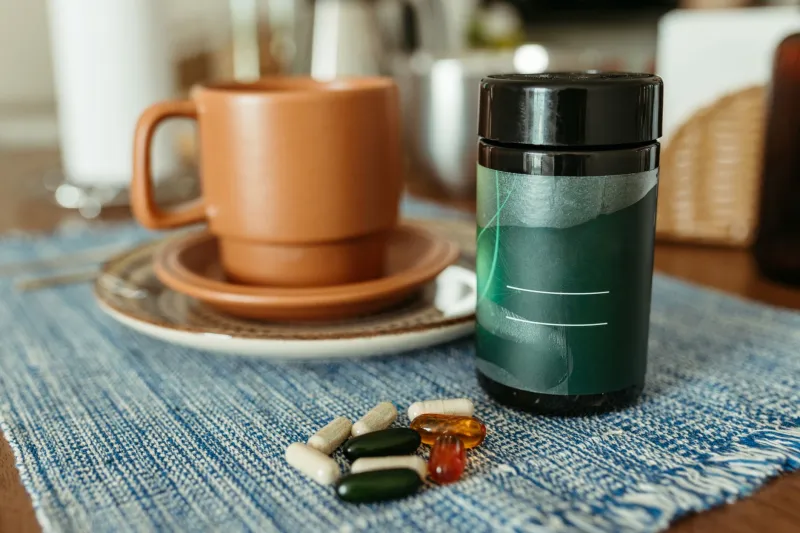
Support your DAO enzyme. Nutrients like vitamin B6, copper, and vitamin C are cofactors for DAO production. Some people find targeted DAO enzyme supplements helpful when eating higher-histamine meals, though this is worth discussing with a functional medicine provider or knowledgeable herbalist.
Focus on gut lining integrity. Intestinal permeability — what some call "leaky gut" — is strongly associated with reduced DAO activity. Herbs like marshmallow root, slippery elm, and deglycyrrhizinated licorice (DGL) are traditionally used to soothe and support mucosal integrity without the DAO-inhibiting concerns of whole licorice root.
Reintroduce slowly and observe. Once symptoms settle, you can begin adding higher-histamine foods back in, one at a time, paying close attention to your threshold and your bucket.
Work with someone who understands both sides. A practitioner who bridges conventional lab testing (DAO levels, genetic variants like HNMT polymorphisms) with herbal and nutritional support can help you build a protocol that's genuinely tailored to your biochemistry — not just a generic wellness checklist.
The Bigger Picture
Timeless herbal care has always held that what heals one person may not heal another. Ancient traditions understood constitutional differences — Ayurveda's doshas, Traditional Chinese Medicine's pattern differentiation, the humoral frameworks of Western herbalism. The modern concept of histamine intolerance is, in many ways, a biochemical expression of something traditional healers always knew: the body is individual, and wellness is not one-size-fits-all.
Your fermented foods and your herbal tinctures aren't betraying you. They're asking you to pay closer attention. And in that closer attention, there's often the most meaningful wellness work of all.