Your Body Is Aging Faster Than It Should — And Chronic Inflammation Is Why Herbalists Have Always Known Better
There's a quiet crisis happening inside a lot of American bodies right now, and most people don't even know it's there. No dramatic symptoms. No urgent diagnosis. Just a slow, persistent simmer of inflammation at the cellular level — and over time, that simmer does serious damage.
Researchers have started calling it inflammaging — a mashup of inflammation and aging — and it's emerging as one of the most significant drivers of how quickly we decline. Heart disease, cognitive fog, joint deterioration, metabolic dysfunction, even the visible signs of skin aging: chronic inflammation has a fingerprint on all of it.
Here's the thing, though. Herbalists never needed a scientific term for it. They've been working against this exact process for thousands of years, with a botanical toolkit that modern science is only now beginning to fully appreciate.
What Inflammaging Actually Means for Your Cells
Your immune system is supposed to deploy inflammation as a short-term response — a controlled fire that burns out a threat and then stands down. Acute inflammation is healthy. It's how you heal a wound or fight off an infection.
Chronic inflammation is something else entirely. When the immune system stays partially activated for months or years — triggered by stress, processed food, environmental toxins, poor sleep, or just the accumulated wear of modern life — it starts damaging the very tissues it's meant to protect.
At the cellular level, chronic inflammation accelerates telomere shortening. Telomeres are the protective caps on your DNA strands, and their length is one of the most reliable biomarkers of biological aging. Every time a cell divides, those caps get a little shorter. Chronic inflammation speeds that process up dramatically, meaning your cells are aging faster than your calendar age would suggest.
It also ramps up oxidative stress, disrupts mitochondrial function, and keeps inflammatory signaling molecules called cytokines circulating at low but damaging levels throughout the body. The result isn't one catastrophic event — it's a slow erosion of resilience that compounds over years.
Why Modern Anti-Inflammatories Miss the Point
Conventional medicine's primary answer to inflammation is a class of drugs that most of us know well: NSAIDs like ibuprofen and naproxen, or corticosteroids for more serious cases. These work by bluntly suppressing inflammatory pathways — and they're genuinely useful for acute situations.
But for the chronic, low-grade inflammation that drives aging? They're the wrong tool. Long-term NSAID use comes with a well-documented list of trade-offs: gut lining damage, cardiovascular risk, kidney stress. You're essentially paying a significant biological tax to suppress a symptom without addressing the underlying dysfunction.
The deeper problem is that these drugs treat inflammation like an enemy to be eliminated rather than a system to be rebalanced. That framing matters enormously.
How Botanical Anti-Inflammatories Think Differently
This is where the wisdom embedded in traditional herbal practice becomes genuinely compelling — not as folk nostalgia, but as sophisticated biological strategy.
Herbal anti-inflammatories don't work by shutting down inflammatory pathways. They work by modulating them — nudging the immune system back toward appropriate regulation rather than just suppressing its output. That's a fundamentally different relationship with the body's healing intelligence.
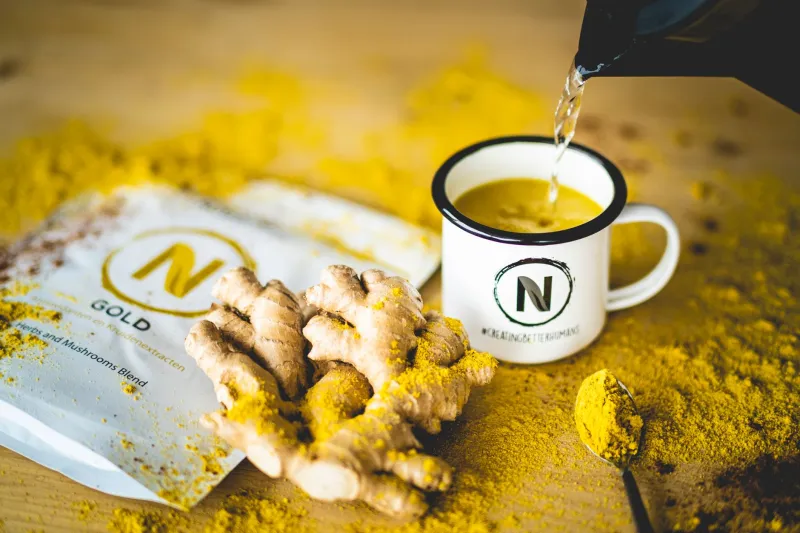
Take turmeric. Curcumin, its primary active compound, has been studied extensively for its ability to inhibit NF-κB, one of the master regulatory proteins in the inflammatory cascade. It also targets COX-2 enzymes — the same enzymes NSAIDs go after — but without the gastrointestinal damage. Ayurvedic medicine has used turmeric as an anti-aging and anti-inflammatory staple for over 4,000 years. The science is essentially confirming what practitioners in ancient India already understood empirically.
Ginger works through a complementary but distinct mechanism, targeting both COX and LOX inflammatory pathways simultaneously — something most pharmaceuticals don't do. Gingerols and shogaols, the compounds responsible, have also demonstrated antioxidant activity that directly counters the oxidative stress component of inflammaging. Traditional Chinese Medicine and Ayurveda both position ginger as a circulatory and anti-inflammatory cornerstone, not merely a digestive aid.
Stinging nettle might be the most underrated plant in this conversation. Rich in flavonoids, carotenoids, and polyphenols, nettle has shown in research to inhibit pro-inflammatory cytokines — specifically some of the same interleukins implicated in inflammaging. It's been used in European herbal traditions for centuries to address joint inflammation and systemic heat, and modern studies on its mechanism are starting to explain why those applications worked so well.
Boswellia (Indian frankincense) deserves a mention too. Its boswellic acids specifically inhibit 5-LOX, a key enzyme in the leukotriene inflammatory pathway that NSAIDs largely ignore. For anyone dealing with joint inflammation or systemic chronic inflammation, this makes boswellia a meaningful complement to other botanicals.
The Antioxidant-Inflammation Loop
One reason botanical approaches to inflammation tend to outperform single-compound pharmaceuticals is that plants rarely do just one thing. Most anti-inflammatory herbs carry significant antioxidant activity as well — and that's not coincidental. Inflammation and oxidative stress feed each other in a loop: inflammation generates free radicals, free radicals trigger more inflammation. Breaking that cycle requires addressing both simultaneously.
Herbs like rosemary, green tea (technically a botanical preparation), and holy basil (tulsi) bring potent antioxidant profiles alongside their anti-inflammatory actions. In traditional systems — Ayurveda, Traditional Chinese Medicine, European folk herbalism — these plants were rarely used in isolation. They were combined, layered, and paired in formulas designed to address multiple aspects of a condition at once. That systems-level thinking is increasingly being validated by phytochemistry research.
Building an Anti-Inflammatory Herbal Practice
None of this means you should throw out your ibuprofen. Acute inflammation still sometimes needs acute intervention. But for the long game — for protecting your telomeres, keeping your cytokine levels in check, and building the kind of cellular resilience that translates to genuine longevity — a consistent herbal practice is one of the most evidence-aligned strategies available.
Practically, that might look like:
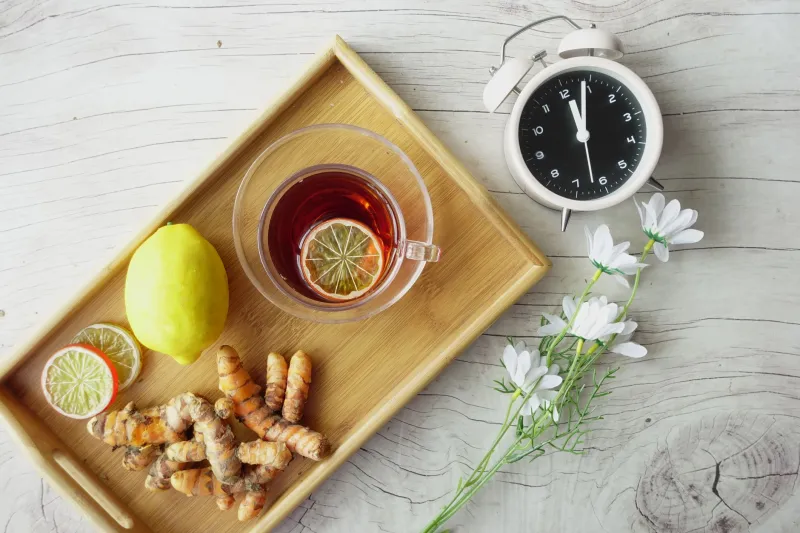
- A daily turmeric-ginger tea or golden milk, made with black pepper to dramatically improve curcumin absorption (piperine increases bioavailability by up to 2,000%).
- Nettle infusions steeped for several hours to extract the full mineral and flavonoid content — not just a quick tea bag dip.
- Rotating adaptogenic herbs like ashwagandha or rhodiola that reduce the cortisol-driven inflammation triggered by chronic stress.
- Incorporating anti-inflammatory culinary herbs — rosemary, thyme, oregano — not as garnishes but as genuine medicine in your daily cooking.
Consistency matters more than intensity here. These plants work cumulatively, gradually shifting your body's inflammatory baseline rather than delivering a dramatic one-time effect.
The Long View Has Always Been the Herbal View
There's something worth sitting with in the fact that virtually every traditional healing system on earth developed robust anti-inflammatory botanical practices independently. Ayurveda, TCM, Indigenous North American medicine, European herbalism — they arrived at overlapping answers through observation and accumulated wisdom across generations.
Modern science is catching up, and that validation matters for bringing these practices into mainstream consciousness. But the underlying insight — that managing inflammation is central to health and longevity, and that plants offer tools sophisticated enough to do it without collateral damage — is ancient. It's timeless, really.
Your body isn't supposed to burn slowly from the inside. And the plants that can help it cool down have been waiting in gardens, forests, and apothecaries for a very long time.