Brew Your Way to a Healthier Gut: The Herbs Your Microbiome Has Been Waiting For
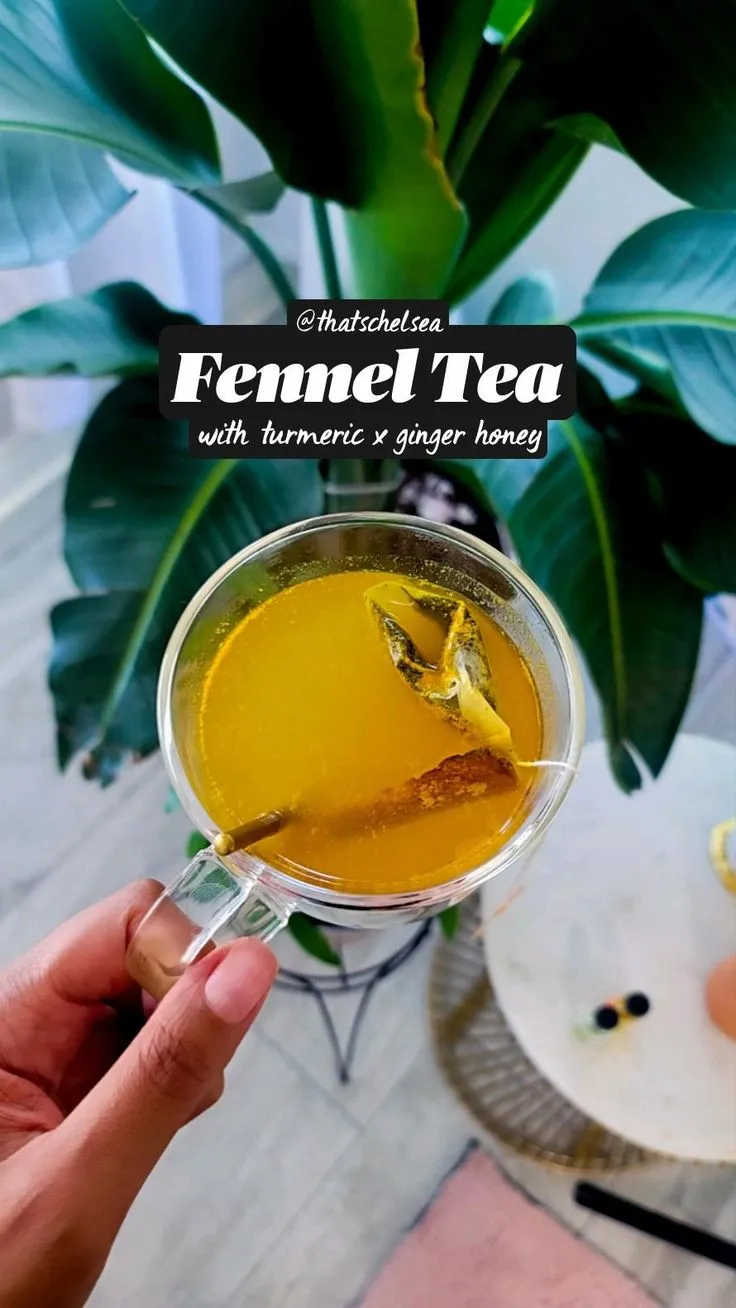
Photo: herbal tea gut health botanicals digestive wellness ginger fennel, via i.pinimg.com
Let's be honest — most of us didn't grow up thinking about the trillions of microorganisms living in our digestive tracts. But over the last decade or so, gut health has become one of the most talked-about topics in both mainstream medicine and the wellness world, and for good reason. Your gut microbiome influences everything from your immune function and mood to how well you absorb nutrients. And as it turns out, the herbal traditions that humans have relied on for thousands of years were quietly supporting that microbiome all along.
This isn't just feel-good folklore. Researchers are actively studying the ways specific plant compounds interact with gut bacteria — and the findings are genuinely exciting.
What the Microbiome Actually Needs
Before we get into the herbs, a quick primer: your gut microbiome is essentially a community of bacteria, fungi, and other microorganisms that live in your digestive system. A diverse, balanced community is associated with better digestion, stronger immunity, reduced inflammation, and even improved mental health. An imbalanced microbiome — often called dysbiosis — is linked to conditions ranging from IBS and bloating to anxiety and autoimmune issues.
What feeds a healthy microbiome? Primarily fiber, polyphenols, and fermented foods. Here's the interesting part: many medicinal herbs are loaded with polyphenols — bioactive compounds that act as fuel for beneficial bacteria and as antimicrobials against the harmful ones. Traditional cultures weren't just using herbs to treat symptoms. They were, without knowing the mechanism, actively cultivating a healthier internal ecosystem.
The Botanicals That Pull Their Weight
Slippery Elm
If you've ever dealt with leaky gut, IBS, or general digestive inflammation, slippery elm (Ulmus rubra) is worth knowing. The inner bark of this North American tree contains mucilage — a gel-like substance that coats and soothes the intestinal lining. Think of it as a protective layer that gives your gut wall time to heal. Some research suggests it may also act as a prebiotic, feeding beneficial bacteria like Bifidobacterium and Lactobacillus species.
Traditional use by Indigenous North American peoples included slippery elm as a food source and medicine for digestive ailments — long before anyone had the vocabulary to describe what was happening on a microbial level.
How to use it: Stir a teaspoon of slippery elm powder into warm water, oat milk, or a smoothie. It doesn't taste like much, but it works. Some people mix it with raw honey and make a kind of paste they eat before meals.
Ginger
You probably already have ginger in your kitchen, which means you're closer to gut-supporting herbalism than you think. Beyond its well-known anti-nausea properties, ginger (Zingiber officinale) contains gingerols and shogaols — compounds that have demonstrated prebiotic-like effects in emerging research. A 2019 study found that ginger consumption positively influenced gut microbiota composition, particularly by increasing microbial diversity.
Ayurvedic medicine has used ginger as a digestive tonic for over 3,000 years. In traditional Chinese medicine, it's considered essential for "warming" the digestive system and improving what practitioners call spleen qi — essentially, digestive energy and function.
How to use it: Fresh ginger root decocted in hot water with a squeeze of lemon is the simplest approach. For a stronger effect, try fermented ginger — ginger bug sodas are easy to make at home and deliver both the plant compounds and beneficial live cultures.
Licorice Root
This one surprises people. Licorice root (Glycyrrhiza glabra) has a long history as a digestive soother in both Western and Eastern herbal traditions, and modern research is starting to explain why. Its active compound, glycyrrhizin, has demonstrated anti-inflammatory and antimicrobial properties. Deglycyrrhizinated licorice (DGL), a modified form available in supplement form, is particularly well-studied for supporting the gut lining.
Some research also points to licorice root's potential to inhibit H. pylori, the bacteria associated with stomach ulcers — a finding that validates centuries of use in Persian and Greco-Arabic medicine for stomach complaints.
A note on dosage: Whole licorice root in large amounts over long periods isn't recommended, particularly for people with high blood pressure. DGL supplements sidestep most of these concerns. As always, talk to your healthcare provider if you have existing conditions.
Fennel
Fennel seeds (Foeniculum vulgare) have been chewed after meals in South Asian households for generations — a practice that's both culturally embedded and scientifically sound. Fennel is carminative, meaning it helps relax the smooth muscle of the GI tract and reduce gas and bloating. It also contains prebiotic fibers and polyphenols that support a diverse microbiome.
In Italian-American culinary tradition, fennel has long appeared in digestive liqueurs and after-dinner preparations — another example of traditional wisdom working in harmony with gut biology.
How to use it: Brew a simple fennel seed tea by steeping a teaspoon of crushed seeds in hot water for 10 minutes. Or just chew a small pinch of seeds after meals the way billions of people have done for centuries.
Dandelion Root
Your lawn's most persistent weed is also one of the most underrated gut allies out there. Dandelion root (Taraxacum officinale) is rich in inulin, a prebiotic fiber that selectively feeds beneficial bacteria — particularly Bifidobacterium species. It also supports bile production, which is essential for fat digestion and healthy bowel motility.
How to use it: Roasted dandelion root makes a genuinely good coffee alternative — slightly bitter, earthy, and deeply satisfying. You can find it at most natural grocery stores or brew your own from foraged roots (just make sure they're from pesticide-free areas).
Going Beyond the Teacup
Herbal teas are a fantastic starting point, but they're not the only way to get these botanicals working for your gut. Consider:
- Herbal-infused broths: Simmer slippery elm, ginger, and astragalus in bone or vegetable broth for a gut-healing base you can sip or cook with.
- Tinctures: Alcohol-based extracts are more concentrated than teas and can be added to water, juice, or taken directly. They're particularly useful for herbs like licorice and dandelion root.
- Herbal ferments: Combining prebiotic herbs with fermentation practices — think ginger bug sodas, herbal kombucha, or even herb-infused kefir — creates a powerful synergy of plant compounds and live cultures.
- Culinary integration: This is the most sustainable approach. Using ginger, fennel, turmeric, and other gut-supportive herbs as everyday cooking ingredients means you're supporting your microbiome without even thinking about it.
The Bigger Picture
What strikes us most about the emerging microbiome research isn't just what it confirms about specific herbs — it's what it says about the wisdom embedded in traditional food and medicine cultures. People across every continent developed sophisticated relationships with digestive-supportive plants long before microscopes existed. They didn't need to know about Lactobacillus to understand that certain herbs made them feel better after a heavy meal, helped them recover from stomach illness faster, or kept their digestion running smoothly through the seasons.
We're at a genuinely exciting moment where ancient knowledge and modern science are converging. And the practical takeaway is beautifully simple: the herbs in your kitchen cabinet, your herbal tea collection, or your backyard garden might be doing more for your internal ecosystem than you ever realized.
Start with one. Add it consistently. Pay attention to how you feel. That's how herbal wisdom has always worked — not as a quick fix, but as a long, slow conversation between plants and the body.